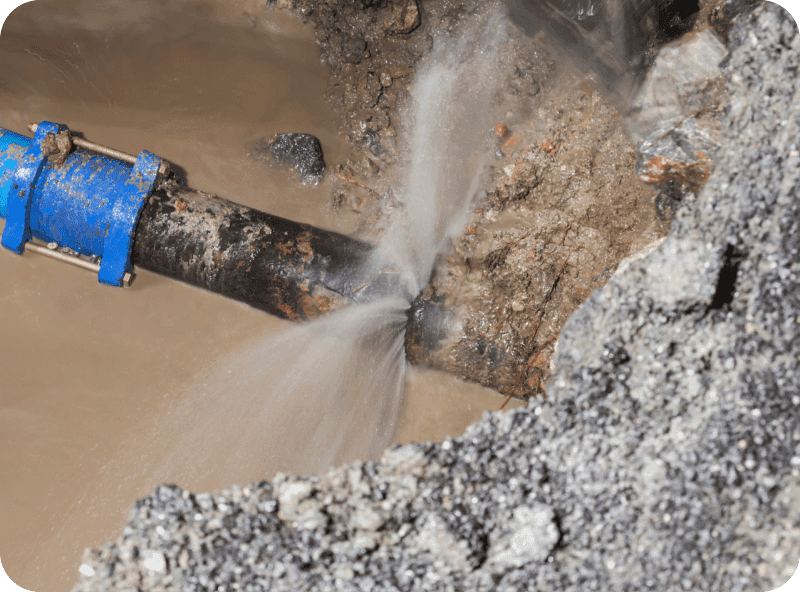
Dealing with damaged sewer pipes can be a costly and disruptive problem for homeowners and businesses. Traditional repairing or replacing these pipes often involves excavation, which can be a major hassle and expense.
However, there’s a more convenient and cost-effective solution: sewer pipe liners. This article will explore 5 types of sewer liners that can help restore your damaged pipes without needing extensive excavation.
Introduction to Sewer Pipe Liners
Before exploring sewer liners, it’s crucial to grasp their purpose and popularity for sewer pipe repair.
Sewer pipe liners are flexible, resin-coated tubes that can be inserted into your existing damaged pipes. Once in place, these liners harden and create a new, structurally sound line within the old one. This method, often referred to as “trenchless” sewer repair, offers several benefits:
1. Minimal Disruption
Unlike traditional methods that require digging up your yard or pavement, sewer liners can be installed with minimal disruption to your property.
2. Cost-Effective
Trenchless sewer repair is often more cost-effective than traditional methods, considering the reduced labor and equipment costs.
3. Durability
Sewer liners create a durable, seamless, and corrosion-resistant interior, extending the lifespan of your sewer system.
Now, let’s explore the different types of sewer liners available for repairing damaged pipes.
1. Cured-In-Place Pipe (CIPP) Liners
Cured-in-place pipeliners, commonly known as CIPP liners, are one of the most popular choices for sewer pipe repair. Here’s how they work:
- A flexible, resin-impregnated liner is inserted into the damaged pipe.
- The liner is inflated to fit snugly against the interior of the old line.
- A curing process often involves hot water or UV light. It hardens the resin, creating a new, seamless pipe within the old one.
2. Pull-In-Place (PIP) Liners
Pull-in-place is another trenchless solution for repairing damaged sewer pipes. Here’s how they work:
- A resin-coated liner is inserted into the old pipe.
- The liner is pulled through the damaged section of the line using cables.
- As the liner moves through the line, it adheres to the interior and hardens in place.
3. Pipe Bursting
Pipe bursting replaces a damaged sewer line rather than lining it. Here’s how it works:
- A bursting head is pulled through the old pipe from one access point to another.
- As it travels, the head breaks the old pipe apart and pushes the fragments into the surrounding soil.
- A new pipe attached behind the head is pulled into place along the same path.
4. Internal Pipe Coating
Internal pipe coating is a slightly different approach to sewer pipe repair. Instead of inserting a new pipe, this method involves applying a specialized coating to the interior of the damaged pipe. The coating material may vary, but it’s typically epoxy-based. Here’s how it works:
- The interior of the damaged pipe is spotless and prepared.
- A specially formulated epoxy coating is applied to the pipe’s interior surface.
- The coating is left to cure, creating a protective and corrosion-resistant lining.
5. Spiral Wound Liners
Spiral wound liners are trenchless sewer repair solutions that involve winding a flexible, resin-impregnated liner into the damaged pipe. Here’s how it works:
- The spiral wound liner is inserted into the old pipe.
- It is then expanded to create a snug fit against the pipe’s interior.
- The resin cures to form a durable, new lining within the old pipe.
Considerations for Sewer Pipe Repair Sleeve Cost
Regarding sewer pipe rehabilitation, it’s essential to consider the sewer pipe repair sleeve cost. Sewer liner costs are variable based on factors such as liner type, pipe length and diameter, and level of damage.
Obtaining quotes from reputable contractors who can assess your situation and provide accurate pricing is crucial.
The cost of sewer drain liners may be higher upfront compared to traditional excavation. Still, the long-term benefits of reduced maintenance and minimal disruption often outweigh the initial investment.
Lining Existing Sewer Pipes: The Process
The process of lining existing sewer pipes follows a set of key steps:
- Inspection – A thorough sewer pipe inspection is conducted to assess the extent of damage and identify any blockages.
- Cleaning – Before lining, the pipe is cleaned to remove any debris, scale, or obstructions that could affect the lining process.
- Preparation – The liner is prepared according to the specific lining method. It may involve impregnating the liner with resin or applying an epoxy coating.
- Installation – The prepared liner is inserted into the sewer pipe through an access point, such as a cleanout or maintenance hole.
- Inflation and Curing – The liner is inflated or cured according to the manufacturer’s specifications. This step forms a new, seamless lining within the existing pipe.
- Quality Assurance – After the liner is cured, a final inspection is conducted to ensure the lining is complete and meets quality standards.
Conclusion
In conclusion, if you’re facing issues with your damaged sewer pipes, there are various types of sewer liners to consider. Each method offers unique advantages and is suitable for different scenarios. Your choice should be based on the damage’s extent, budget, and specific needs.
By exploring these trenchless sewer repair options, you can save time and money while minimizing disruption to your property. Invest in the right sewer liner for long-term sewer system integrity. If you are looking for the best trenchless pipe lining services across Florida, get in touch with Pipe Surgeons.