A leaking air conditioner is more than just an annoyance; it’s a symptom. Just as a cough can signal a cold, that puddle of water is your home’s way of telling you something is wrong deeper within its systems. While you might think you need a standard 'ac repair', the root cause is frequently a blockage in the condensate drain line. Mopping up the water or having an HVAC tech check the freon won't fix the underlying clog. To truly solve the problem and prevent serious water damage, you need to address the cause, not just the symptom. This article will walk you through identifying the real issue and finding a permanent solution.
Key Takeaways
- An AC Leak Is Often a Plumbing Problem: A puddle near your indoor AC unit usually points to a clogged condensate drain line, not a broken air conditioner that needs an HVAC technician.
- Act Fast to Avoid Major Damage: Ignoring a clogged drain line allows water to seep into your home's structure, leading to costly water damage, mold growth, and potential failure of your HVAC system.
- Hire a Drain Expert for a Lasting Solution: A drain specialist has the right tools, like cameras and water jets, to completely clear the pipe and prevent the clog from returning, which is a more thorough fix than a simple flush.
Is Your AC Leaking? It Might Be a Plumbing Problem
Finding a puddle of water around your indoor air conditioning unit is an instant cause for concern. Your first instinct might be to call an HVAC technician, and that’s completely understandable. But what if the problem isn’t with your AC unit itself? Often, a leaking AC is a symptom of a plumbing issue in disguise: a clogged drain line. Before you schedule an expensive HVAC repair, it’s worth understanding how your AC system and your home’s plumbing are connected. This small clog can lead to big problems, but identifying the source is the first step toward a simple and effective fix.
Why Your AC Unit Produces Water
It might seem strange for an appliance that cools air to produce water, but it’s a completely normal part of how it works. Think about a cold glass of iced tea on a humid Florida day; you’ll see condensation form on the outside of the glass. Your air conditioner does the same thing on a much larger scale. As it pulls warm, humid air from your home, it cools the air over evaporator coils. This process removes the moisture, which turns into water. This condensation is a sign that your AC is doing its job of dehumidifying your home, keeping it cool and comfortable.
The Role of the Condensate Drain Line
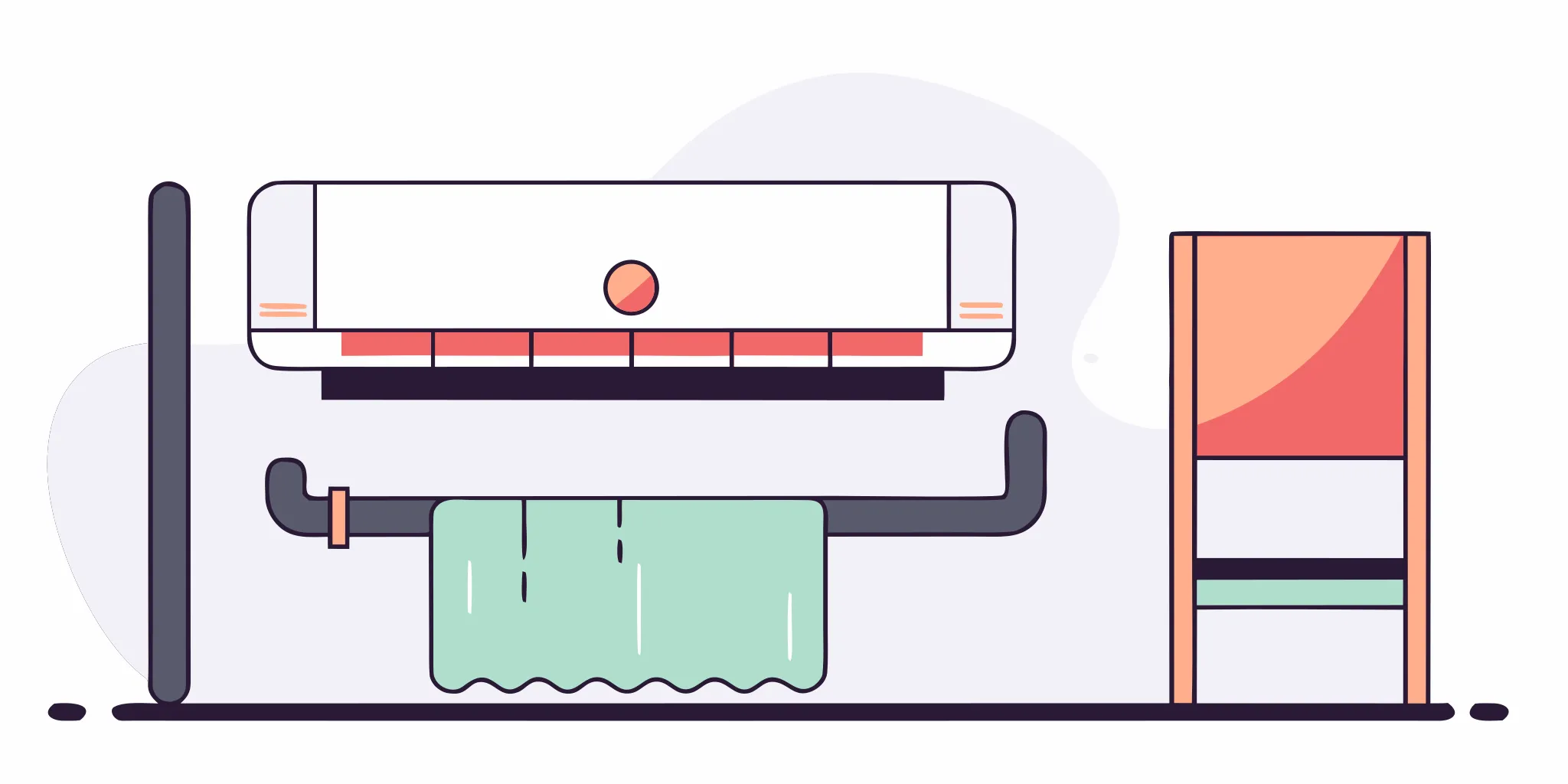
All that water your AC collects has to go somewhere. That’s where the condensate drain line comes in. This small but essential pipe is designed to safely carry the condensation away from the AC unit and out of your home, typically connecting to your plumbing system. When everything is working correctly, this process is seamless and you’ll never even notice it. The drain line is the unsung hero that prevents water from pooling inside your unit and spilling into your home. Problems arise when this line becomes blocked, turning a normal function into a potential water damage emergency that requires professional drain services.
Signs of a Clogged AC Drain Line
How can you tell if a clog is the culprit behind your AC leak? There are several clear warning signs to look for. The most obvious is water pooling around your indoor air handler. You might also notice water stains on the ceiling or walls near the unit. A musty or moldy smell is another red flag, indicating that water isn't draining properly and has become stagnant. In some cases, your AC might shut off entirely. Many systems have a safety switch that turns the unit off if it detects a backup. If you notice any of these signs, it's a strong indication that your drain line is blocked and needs attention.
The Hidden Dangers of a Clogged AC Drain
A puddle of water under your air handler might seem like a minor inconvenience, but it’s often a warning sign of a clogged condensate drain. Ignoring it can lead to some serious headaches for you and your home. That backed-up water has to go somewhere, and its escape route can cause extensive damage to your property and even your HVAC system itself. Think of it as more than just a leak; it’s a ticking clock that can result in costly repairs, unhealthy living conditions, and a broken AC unit when you need it most. Understanding these risks is the first step to protecting your home.
How a Small Leak Leads to Major Water Damage
When your AC’s condensate drain clogs, the water that would normally flow outside starts backing up into the drain pan. Once that pan overflows, the water begins to seep into whatever is nearby. This could be your attic insulation, drywall, ceilings, or flooring. On a hot Florida day, your AC runs constantly, producing a steady stream of condensation. A small, slow drip can quickly saturate building materials, leading to sagging ceilings, warped floorboards, and weakened structural integrity. Before you know it, a simple clog has turned into a major water damage restoration project. Our expert leak detection services can pinpoint the source and extent of water intrusion before the damage gets worse.
Protecting Your Home from Mold and Mildew
Water damage and mold growth go hand in hand, especially in our humid climate. All it takes is a little moisture in a dark space for mold and mildew to take hold, often within just 24 to 48 hours. An overflowing AC drain pan creates the perfect damp environment for mold to thrive in your walls, ceiling, or attic. This not only causes a persistent musty odor but can also pose health risks, triggering allergies and respiratory issues for your family. According to the Environmental Protection Agency, controlling moisture is the key to preventing mold. Promptly addressing a clogged drain is essential to keep your home’s air clean and healthy.
Why a Clog Can Damage Your HVAC System
The danger isn't just to your home; it's to your expensive HVAC system, too. When water overflows the drain pan, it can spill onto and into the air handler's sensitive electrical components, causing shorts, rust, and corrosion that can lead to system failure. Many modern AC units have a safety feature called a float switch, which shuts the entire system off if it detects high water levels in the drain pan. While this switch is great for preventing a flood, it also means you’ll be left without air conditioning until the clog is fixed. Leaving the underlying drain services issue unresolved can put unnecessary strain on your system and shorten its lifespan.
How to Fix a Leaking AC Drain Line
When you spot water pooling around your indoor AC unit, your first thought is probably how to get it fixed fast. While the instinct to tackle it yourself is understandable, addressing a clogged condensate line requires the right approach to avoid causing more significant problems. Deciding between a DIY attempt and calling a professional comes down to understanding the complexity of the issue and the potential risks involved.
DIY Fixes vs. Calling a Professional
Some AC issues are simple enough for a homeowner to handle. For instance, if your system isn't cooling effectively, the problem might just be a dirty air filter that needs replacing. This is a straightforward maintenance task you can do yourself. However, a leaking AC drain line is a different story. This isn't an HVAC problem; it's a plumbing clog. Using the wrong tools or techniques can damage the delicate PVC line or even your AC unit. A failed DIY attempt could turn a small clog into a much larger, more expensive repair. For persistent clogs and water leaks, a professional with expertise in drain services is your safest and most effective option.
Our Process for Clearing Stubborn Clogs
When you call us to handle a blocked AC drain, we come prepared with more than just a shop vac. Our first step is to diagnose the problem accurately. We use specialized equipment to locate the clog and determine its cause, whether it's a buildup of algae, sludge, or an obstruction. For particularly stubborn blockages, we may use a high-pressure water jet or a flexible drain snake designed for these specific lines. Our goal isn't just to poke a hole in the clog; it's to completely clean the pipe's interior walls. This thorough cleaning ensures water flows freely and helps prevent the clog from quickly returning, keeping your AC running efficiently.
What to Expect During a Service Visit
We believe in making repairs as stress-free as possible. When our technician arrives, they will start by listening to your concerns and performing a thorough inspection of your AC unit and the condensate line. We use tools like video cameras for a clear view inside your pipes. Once we identify the source of the leak, we will explain the issue to you in plain language and walk you through the best solutions. You’ll receive clear, upfront pricing before any work begins, so there are no surprises. Our team works cleanly and efficiently to resolve the issue. Think of it this way: if you hear a strange new noise from your AC, you call a tech. If you see a leak, it's time to call a leak detection and drain expert.
How to Prevent Future AC Drain Clogs
After dealing with a leaking AC, the last thing you want is a repeat performance. The good news is that you can take a few simple steps to keep your condensate drain line clear and flowing smoothly. A little preventative maintenance goes a long way in avoiding the stress and expense of water damage, mold growth, and potential HVAC system failure. Think of it as a small investment of your time that pays off big by protecting your home and your peace of mind.
Of course, some situations are best left to the experts. Knowing how to spot the difference between a simple maintenance task and a problem that needs a professional eye is key. Combining regular at-home care with periodic professional check-ups is the most effective strategy to prevent clogs before they start. This approach ensures your AC system operates efficiently and protects your home from the hidden dangers of a blocked drain line. Below, we’ll walk through what you can do yourself and when it’s time to pick up the phone and call for backup.
Simple Maintenance You Can Do Yourself
Keeping your AC drain line clear doesn’t require a lot of technical skill, just a bit of consistency. First, make a habit of changing your air filter every 1 to 3 months. A clogged filter can’t trap dust and debris effectively, allowing it to enter your AC system and eventually wash into the condensate drain.
Next, you can periodically flush the line to clear out any minor buildup. A simple mixture of one part distilled white vinegar and three parts water poured down the drain line access point every few months can help dissolve algae and sludge. This small step is one of the best ways to keep your air conditioner well-maintained and prevent common air conditioner problems from developing.
When to Schedule a Professional Drain Inspection
If your DIY efforts don’t stop the leak or if you’re uncomfortable performing maintenance, it’s time to call a professional. Persistent water pooling around your indoor unit is a clear sign that the clog is too stubborn for a simple flush. You should also pay attention to any musty smells near your vents or AC unit, as this often indicates mold or mildew growth deep within the line.
Another red flag is hearing any new or unusual sounds coming from your system. Gurgling or bubbling could point to a blockage that’s affecting performance. A professional has the right tools, including high-resolution cameras for pipeline inspections, to accurately diagnose the issue without any guesswork. They can find the exact location and cause of the clog and ensure it’s cleared completely.
Find the Right Pro for Your AC Leak
When you spot a puddle under your air conditioner, your first instinct is probably to call an HVAC company. It makes sense, but if the leak is coming from a clogged condensate drain line, you might be calling the wrong specialist. The problem isn't with the cooling mechanics; it's a plumbing issue. Understanding who to call can save you time, money, and a whole lot of frustration.
Why Call a Drain Expert Instead of an HVAC Tech?
While an HVAC technician is the expert for your air conditioner's mechanical and electrical systems, the condensate line is simply a drain pipe. When it gets blocked with algae, sludge, or debris, it behaves just like any other clogged drain in your home. A drain specialist has the specific tools and expertise to tackle these stubborn blockages effectively. We use equipment like high-powered water jets and specialized cameras to see deep inside the pipes and clear the clog completely. An HVAC tech might be able to clear a simple blockage near the unit, but for a serious clog located further down the line, you need an expert in drain services.
What to Look for in a Repair Service
No matter who you call, you want to ensure they are qualified to do the job right. Look for a company with certified technicians who have plenty of experience and proper insurance to work safely in your home. A reputable service will be transparent about their process and pricing. Don't be afraid to ask about their experience with your specific issue, whether it's an AC drain clog or another type of leak. Professionals will use advanced tools to diagnose the problem accurately, which ensures the repair is reliable and long-lasting. Checking for positive customer reviews is also a great way to gauge a company's reliability and quality of work before you hire them.
Our Commitment to South Florida Homeowners
For over 40 years, Pipe Surgeons has been the trusted name for South Florida's pipe and drain issues. We specialize in solving complex water flow problems, and a clogged AC drain line is right in our wheelhouse. Our team uses modern, non-invasive technology, like sewer camera inspections, to pinpoint the exact location and cause of the blockage without unnecessary disruption to your property. We have the experience and the right equipment to clear your condensate line quickly and efficiently, protecting your home from water damage and keeping your systems running smoothly. From initial inspection to the final repair, we are committed to providing expert solutions for our residential and commercial clients.
Related Articles
- The Areas Most Prone To Leaks - Pipe Surgeons
- Tips on Preventing Further Leak Damage - Pipe Surgeons
- How Leaks Cause Greater Damage - Pipe Surgeons
- What Causes Recurring Leaks? - Pipe Surgeons
- 5 Signs You May Need Leak Detection Services - Pipe Surgeons
Frequently Asked Questions
My AC unit is leaking but still cooling. Can I wait to get it fixed? It’s tempting to put off a repair if your home is still comfortable, but I really advise against it. That leaking water isn't just a harmless puddle; it's actively seeping into your floors, drywall, and insulation. This creates the perfect environment for mold to grow, which can happen in just a day or two. Addressing the clog now is a simple fix, while waiting could lead to a much more expensive project involving water damage and mold remediation.
Why can't I just pour chemical drain cleaner down the line myself? That’s a great question, as it seems like an easy fix. However, the chemical cleaners you find at the store are extremely harsh. They can easily corrode the PVC pipe of the condensate line or even damage sensitive components inside your air handler if the liquid backs up. A professional cleaning uses water or specialized tools to safely remove the blockage without risking damage to your plumbing or your expensive HVAC system.
My HVAC company says they can clear the drain. Why should I call a drain specialist instead? Many HVAC technicians can handle a minor clog right at the unit, but they often don't have the equipment to solve a deeper or more stubborn blockage. A drain specialist, on the other hand, treats this as a plumbing issue. We use high-resolution cameras to find the exact source of the problem and specialized tools to thoroughly clean the entire length of the pipe. This ensures the clog is completely removed, not just temporarily pushed aside, giving you a much more reliable and lasting solution.
How can I tell if the leak is from a clogged drain or another AC problem? There are a few key signs. If you see water pooling around your indoor air handler, notice a musty smell, or find your system shuts off unexpectedly, a clogged drain is the most likely culprit. Other AC issues, like a refrigerant leak or a broken compressor, usually come with different symptoms, such as the unit blowing warm air or making loud mechanical noises. If you see water, think plumbing first.
If my AC system shuts itself off, does that mean it's broken? Not necessarily. In fact, it usually means a safety feature is working correctly. Most modern air conditioners have a float switch in the drain pan that automatically shuts the system down if the water level gets too high. This is designed to prevent a major flood and protect your home from extensive water damage. Once the clogged drain line is cleared and the water can flow freely again, the switch will reset and your system should operate normally.