
Pipe relining vs pipe bursting is a decision about the condition and route of a particular pipe, not a contest with one answer for every property. Relining forms a lining inside a host pipe, while bursting breaks apart the existing pipe as replacement pipe follows its route. Inspection findings, dimensions, access, and surface constraints help determine which approach is worth considering.
Discuss your pipe repair options
What is the difference between relining and bursting?
Pipe relining rehabilitates the inside of an existing pipe. In a common cured-in-place pipe (CIPP) process, a liner is positioned in the host pipe and cured to form a continuous lining. The host pipe remains around it. The liner needs a usable path through the pipe, so the host pipe’s shape and condition matter before installation begins. Read more about how CIPP pipe lining works.
Pipe bursting replaces the existing line along its route. A bursting head is pulled through the old pipe, fracturing it outward as replacement pipe follows behind. The operation needs access for pulling equipment and enough room to handle and stage the replacement pipe. It may require excavation at selected access points, even when the job avoids a continuous open trench. See an overview of pipe bursting as a replacement method.
Put simply, relining creates a pipe wall within the old pipe, while bursting installs replacement pipe through the old alignment. These are different approaches to a diagnosed problem. Neither is automatically suitable just because a property has recurring backups, a visible crack, or an aging line. An assessment should explain what is known about the affected section and what still needs checking.
What can the pipe condition tell you?
Relining may be considered when the host pipe can be prepared and provides a workable path for the liner. The inspection should identify the defect type, its location, and how much pipe is affected. It should also reveal whether the pipe is open enough for preparation and whether its shape allows the proposed lining process. A crack or area of deterioration by itself does not establish that a liner is appropriate.
A collapsed or severely deformed section may prevent a liner from passing or being installed as planned. An obstruction, offset joint, sharp bend, or accumulated material can also affect preparation. Ask whether the condition can be addressed before lining, what preparation is included, and what the crew will do if the liner cannot pass through the planned route. The answer should be specific to the inspection, not a blanket promise.
Bursting may be considered when the project calls for replacement or the host pipe is not a suitable lining candidate. The route still needs to accommodate the equipment and replacement pipe. Tight turns, shifted sections, branches, nearby utilities, and limited access can influence the plan. Ask how each of these conditions was checked and whether it changes the proposed route or access points.
A sewer camera inspection can document interior conditions and help locate areas for discussion. Ask to review the relevant footage and hear a plain-language explanation: what is visible, where the defect occurs, and what the camera cannot establish. A camera view is useful evidence, but the recommendation must also account for route and access conditions beyond the pipe interior.
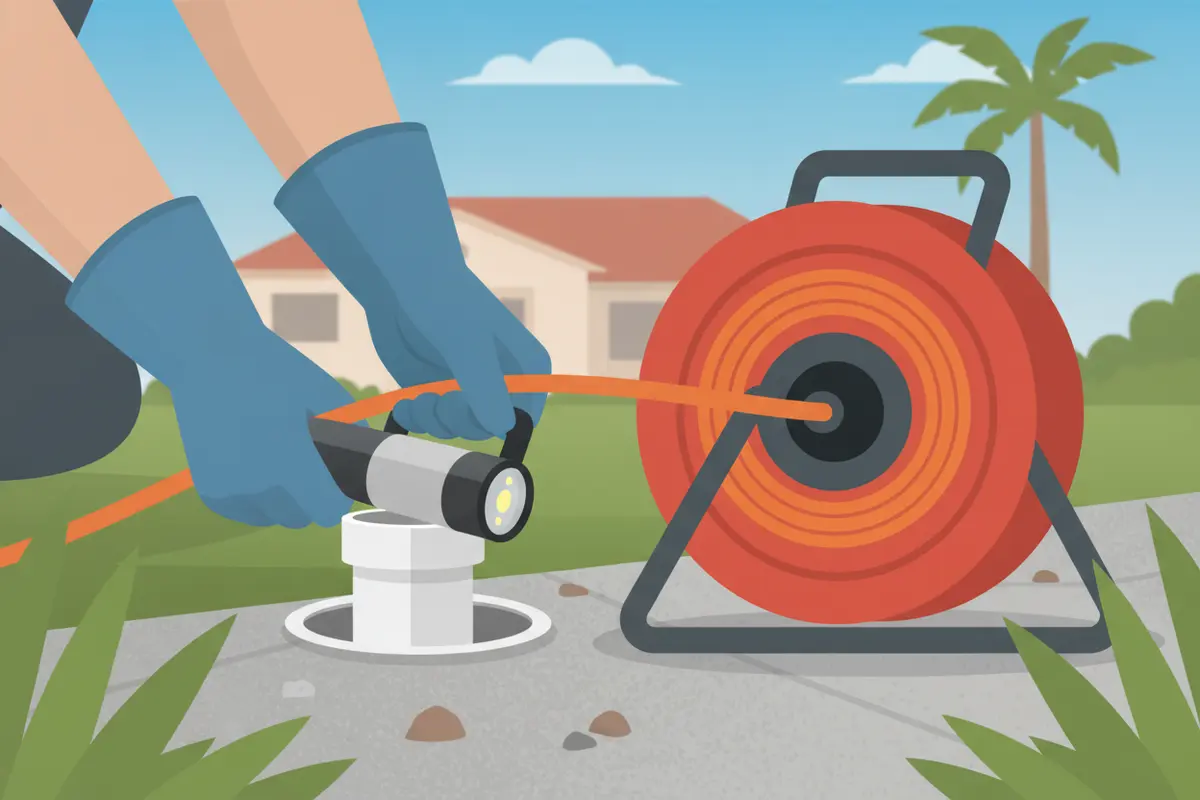
Separate observed facts from assumptions before comparing methods. A backup is a symptom, not proof of a collapse. If footage shows an obstruction, deformation, break, or other finding, ask how much of the route was visible and whether the finding explains the symptoms. If the camera could not pass a point, that limit should be clearly noted rather than treated as evidence about the unseen section.
How do diameter, route, and access affect the choice?
Pipe dimensions matter because the repair system must fit the existing line and serve its intended use. A liner occupies space inside its host pipe, so the finished internal opening can differ from the original. Ask what liner dimensions are proposed and how the expected opening suits the line. For a bursting plan, confirm the replacement pipe’s dimensions and how they relate to the existing route and connections.
Also ask how branches and junctions will be handled. A repair that addresses a main run may require attention to connections along that run. The proposal should say whether those connections are included, how they will be restored or accessed, and whether any separate work is anticipated. If the line serves multiple areas or a commercial property, ask how the work plan accounts for service needs while the project is underway.
Access is a practical constraint for either method. A crew may need to reach a cleanout or create an access point; equipment and materials have to be positioned safely. Landscaping, paving, structures, and nearby utilities can limit where work can happen. “Trenchless” means the approach may avoid a continuous trench along the route; it is not a guarantee of zero excavation or zero surface disturbance.
Request a simple sketch or clear explanation that identifies the access locations, likely work areas, and path of the pipe. If the route crosses a driveway or landscaped area, ask which portions might be disturbed and how restoration is handled. For general background on trenchless repair choices, compare the method descriptions with the actual inspection and site conditions.
Site access can affect more than the amount of digging. For relining, clarify where preparation equipment will be set up and how the liner will be introduced and cured. For bursting, ask where the pulling equipment and replacement pipe will be staged and how the pull will be managed. If the property has narrow side access, gates, hardscape, or limited work hours, raise those constraints before a method is selected.
How do the methods compare side by side?
| Factor | Pipe relining | Pipe bursting |
|---|---|---|
| Basic approach | Forms a lining inside the existing pipe | Breaks apart the old pipe as replacement pipe follows its route |
| Role of existing pipe | Provides the path and support for liner installation | Is displaced as the replacement pipe is pulled through |
| Condition question | Can the host pipe be prepared and accept a liner? | Can the route accommodate the pulling operation and replacement? |
| Interior dimensions | Confirm the finished opening after accounting for liner thickness | Confirm proposed replacement size and connection plan |
| Access planning | Allow access for preparation and liner installation | Allow access for pulling equipment and replacement pipe staging |
| Surface impact | May avoid a continuous trench; access and preparation may still affect surfaces | May avoid a continuous trench; access points and setup may require excavation |
| Proposal detail | Preparation steps, liner dimensions, and verification plan | Pull route, replacement dimensions, connection plan, and verification |
Use this table as a question guide, not a verdict. A property’s inspection findings and route can make one method more suitable to discuss than the other. In some projects, different sections may have different conditions, so ask whether the recommendation addresses the full affected length or only a defined segment.
What should you compare in repair proposals?
Compare the diagnosis and work scope before comparing method names. Each proposal should connect inspection evidence to the recommended work, state what is included, and identify conditions that could change the plan. If two recommendations differ, ask each provider to respond to the same findings, pipe dimensions, and site constraints.
- Diagnosis: Which defect was observed, where is it, and how much pipe is affected?
- Method rationale: Why does the proposed method suit the condition and route better than the alternative?
- Preparation: Is cleaning, obstruction removal, or other preparation included? What happens if the pipe cannot be prepared as expected?
- Access: Which existing access points will be used or created, and what surfaces could be affected?
- Materials and dimensions: What liner or replacement pipe is proposed, and what finished dimensions should be expected?
- Connections: How will branches and connections along the affected section be handled?
- Verification: What inspection or testing will confirm the work is complete?
- Scope and price: Which tasks and restoration items are included, and what conditions may require a change?
Ask for important answers in writing. Inspection notes, a sketch, and a list of included steps make proposals easier to compare. Look for clear boundaries: the line segment being addressed, access work, preparation, connection work, restoration, and any tasks excluded from the quoted scope. A proposal that only names a technology leaves too many practical questions unanswered.
Cost depends on project conditions such as access, equipment needs, preparation, length, and complexity. There is no useful comparison if one proposal includes preparation or surface restoration while another excludes it. Review financing information as one part of planning, but first make sure the work itself is clearly defined. Avoid judging two totals without checking that they cover comparable tasks.
For a second perspective on repair methods, compare the scope with information about traditional and trenchless sewer repair. A general overview can help frame questions, but the decision should still follow the pipe’s documented condition and the property-specific installation plan.
What happens during an assessment?
An assessment typically starts with a discussion of symptoms and prior work, followed by an evaluation of the pipe and property conditions. Inspection information can help identify defects and locate the route. The specialist can then discuss whether relining, bursting, another repair approach, or additional investigation is appropriate. The right next step depends on what the assessment can confirm.
Before the visit, note when backups or slow drainage occur, which fixtures or areas are affected, and whether the issue returns after clearing. Write down known prior repair locations or dates. A symptom log does not diagnose a pipe, but it gives useful context and may help distinguish a repeating pattern from a one-time event.
If you have plans, records, or photos that show the route, make them available. Point out driveways, landscaping, structures, and places where access may be difficult. Mention known work near the line. These details help the conversation cover both the pipe interior and the site conditions that can affect installation.
During the review, ask the specialist to show the relevant inspection evidence and explain what is certain versus what still needs confirmation. If bursting is recommended, ask how the pulling path and replacement pipe will be accommodated. If relining is recommended, ask how the host pipe will be prepared and how the liner’s dimensions fit the line. Pipe Surgeons provides pipe repair and inspection services, including diagnostic and trenchless work.
If the project is for a residence, the overview of residential pipe services can help you identify relevant questions. Commercial and municipal properties may have different access, operating, and coordination needs; describe how the affected line is used and ask how the work plan accounts for those needs.
What should you ask about materials and worksite controls?
When a proposal includes CIPP lining, ask what product and installation process are planned and how materials will be handled at the site. Products and procedures can vary. A general label such as “trenchless” does not explain which materials are involved or which controls apply to the specific work. Ask the contractor to describe the relevant worksite protections and how any process materials or waste are managed.
For broader federal environmental-protection information, the U.S. Environmental Protection Agency provides agency resources. That general reference does not determine which state or local requirements apply to an individual project. Ask the contractor which requirements, permissions, and site-specific controls are relevant to the proposed work and who is responsible for them.
These questions are about understanding the scope, not assuming that every project has the same requirements. If the answer depends on the product, location, or worksite, ask for the details that apply to your project. Include those responsibilities in the written plan when they affect what happens before, during, or after installation.
How can you make a useful decision from mixed findings?
Consider a hypothetical line with a generally passable route, a damaged section, and a difficult access point near a paved area. Relining may seem attractive because it works inside the existing pipe, but the decision depends on whether the damaged area can be prepared and whether the liner can be installed as designed. Bursting may fit a replacement objective, but the pulling route, access, and potential surface work also need review.
Now consider a line with severe deformation at one point and several connections along its route. The useful first question is not “Which technology is best?” but “What does the inspection establish, and what additional access or investigation is needed?” The specialist may need to clarify the condition, determine whether equipment can pass, and explain how the connections affect the scope before recommending an approach.
One more example: footage may show deterioration in one section but not cover the full line. Ask whether the proposed work addresses only the visible section, includes a longer run, or depends on an additional inspection. A defined scope should make clear where the work begins and ends. If the recommendation covers unseen pipe, ask what evidence supports that decision and what uncertainty remains.
These examples are not diagnoses or promises about outcomes. They show why the recommendation should follow documented conditions. If a proposal jumps from a symptom straight to a method, ask for the missing link: what was observed, what limits the alternatives, and how does the proposed work address the affected section? The sewer pipe repair overview offers background, but the property assessment should explain the specific recommendation.
Frequently asked questions
Does relining preserve the original pipe diameter?
Not exactly. A liner takes up space inside the host pipe, so the finished interior opening may be smaller than before. Ask for the proposed dimensions and how they suit the line’s use.
Does pipe bursting require excavation?
Access or setup may require excavation, even when the method avoids a continuous trench along the whole route. The location and extent depend on the property and work plan.
Can a collapsed pipe be relined?
A collapsed or severely deformed section may prevent a liner from being installed as intended. Inspection and site assessment help determine whether preparation, replacement, or another approach should be considered.
Which method causes less property disruption?
That depends on the route, access points, preparation needs, and site conditions. Both methods may reduce continuous excavation, but neither guarantees zero digging or surface impact. Ask which specific areas could be affected and what restoration is included.
What if the camera inspection does not show the entire route?
Ask what portion was inspected, where visibility stopped, and whether another diagnostic step is recommended. A limited view should be described as a limitation, not treated as proof about an unseen section.
Plan a clear next step
Before choosing between relining and bursting, get a diagnosis tied to the pipe’s condition, route, dimensions, and access constraints. Pipe Surgeons focuses on pipe assessment, rehabilitation, and repair; a specialist can explain which approaches may fit the findings at your property. Bring questions about scope, surface impact, preparation, connections, and verification so you can compare the options clearly.