Your air conditioner rarely fails without giving you a few hints first. While a system that won’t turn on is impossible to ignore, the more subtle signs are the ones that often lead to bigger, more expensive problems. A strange new noise, a sudden spike in your energy bill, or a home that just feels a little too humid are all quiet cries for help from your AC unit. Learning to recognize these early warnings is the key to being a proactive homeowner. This guide will teach you what to look and listen for, helping you catch issues before they escalate into a full-blown system failure and an emergency residential ac repair call.
Key Takeaways
- Proactive care prevents costly repairs: Staying on top of simple maintenance is the best way to avoid an emergency breakdown. Change your air filters regularly and schedule an annual professional tune-up to keep your system running efficiently and catch problems early.
- Know when to call a professional: While changing an air filter is a safe DIY task, always leave electrical work and refrigerant handling to a certified technician. Attempting complex repairs yourself can lead to more expensive damage, void your warranty, and create serious safety risks.
- Choose your repair service wisely: Don't just hire the first company you find. Protect yourself by choosing a licensed and insured service that offers transparent, upfront pricing and provides a warranty for their work. Reading recent customer reviews is also a great way to gauge reliability.
Does Your AC Need Repair? Look for These Signs
In South Florida, a working air conditioner isn't a luxury; it's a necessity. When it stops working, your home can become uncomfortable and even unsafe in the summer heat. While some AC problems are impossible to ignore, like a system that won't turn on at all, others are more subtle. Catching these early warning signs can save you from a complete system failure and a much more expensive repair bill down the road.
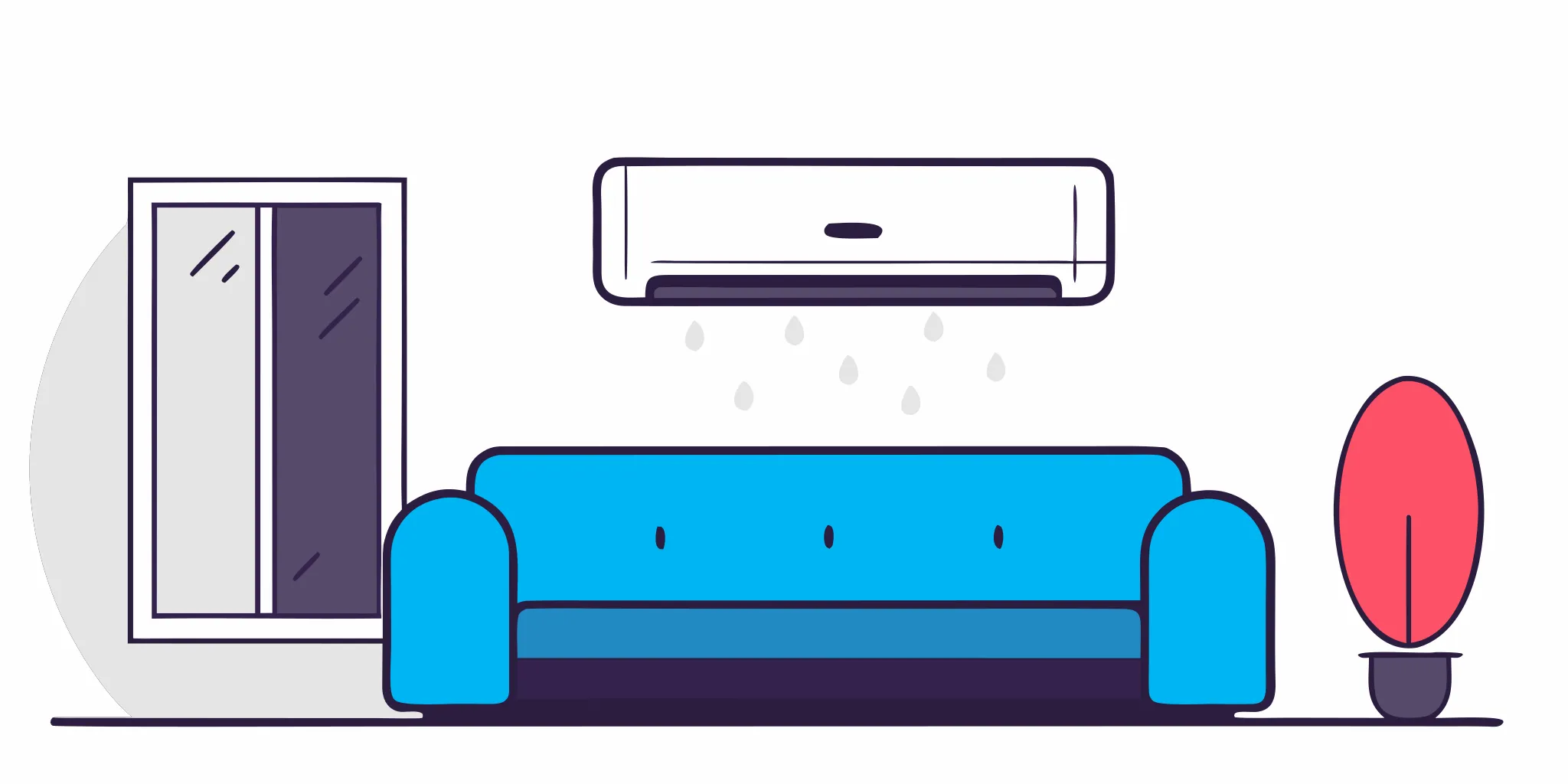
Ignoring minor issues can lead to bigger problems, including component failure and water damage from a leaking unit. A clogged condensate drain line, for example, can cause water to back up and spill into your walls or ceiling, leading to serious structural issues and mold growth. Paying attention to how your system runs, sounds, and feels can help you spot trouble before it gets out of hand. Here are the key signs that your AC unit needs professional attention.
Your Vents Are Blowing Warm Air
This is often the first and most obvious sign that something is wrong. If you set your thermostat to 72 degrees but the air coming from your vents feels lukewarm or even warm, your AC isn't doing its job. This forces the system to run constantly without ever reaching the desired temperature, which is incredibly inefficient.
Several issues can cause this, ranging from low refrigerant levels to a problem with the compressor. Before calling for help, it's always a good idea to double-check that your thermostat is set to "cool" and not "fan" or "heat." If the settings are correct and you're still getting warm air, it's time to have a technician diagnose the root cause.
You Hear Strange Noises or Smell Odors
Your air conditioner should operate with a consistent, low hum. If you start hearing new or unusual sounds, it's a clear signal that something is amiss. Banging or clanking often points to a loose or broken part, like a connecting rod or fan blade. Squealing or screeching can indicate a problem with a belt or motor bearings.
Odors are another major red flag. A musty or moldy smell suggests moisture has built up inside the unit or ductwork, possibly from a clogged condensate line that isn't draining properly. Our team can help with professional drain services to clear these blockages. A burning smell is more serious and could mean an electrical component is overheating. If you smell burning, turn off your AC at the breaker immediately and call for an emergency repair.
Your Thermostat Is Acting Up
Sometimes the problem isn't the AC unit itself but the device that controls it. If your thermostat display is blank, the readings seem inaccurate, or your system cycles on and off erratically (known as short-cycling), the thermostat could be the culprit. A faulty thermostat can't properly signal your AC to turn on or off, leading to an uncomfortable home and wasted energy.
As a first step, try replacing the batteries. If that doesn't solve the problem, the issue could be with the wiring or the thermostat's internal sensors. While a thermostat replacement is a relatively simple fix for a professional, letting it go can put unnecessary strain on your entire HVAC system.
Your Home Feels Humid
Part of your air conditioner's job is to remove humidity from the air, which is crucial in our Florida climate. If you notice that your home feels sticky, damp, or clammy even when the AC is running, it's a sign that your system isn't dehumidifying effectively. You might also see condensation forming on your windows.
This issue can stem from several problems, including improper system size, low refrigerant, or a blocked condensate drain. When the drain line is clogged, the moisture your AC pulls from the air has nowhere to go, causing it to re-enter your home or pool around the indoor unit. This can lead to water damage, which is why our leak detection services are so critical for homeowners.
Your Energy Bill Suddenly Spikes
A sudden, unexplained jump in your electricity bill is a quiet but significant warning sign. Your AC is one of the biggest energy consumers in your home, so if it becomes less efficient, it will have to run longer and work harder to cool your space. This increased workload translates directly into higher energy costs.
This inefficiency can be caused by anything from a dirty air filter or low refrigerant to a failing motor or compressor. If you haven't changed your habits but your bill is climbing, take a look at your AC system. Comparing your recent energy usage to the same period last year can help confirm if your cooling system is the source of the problem.
What Does AC Repair Cost?
When your air conditioner stops working, one of the first questions that comes to mind is, "How much will this cost?" The answer isn't always straightforward, but understanding the typical price ranges and the factors that influence them can help you feel more prepared. Most AC repairs involve a service call fee plus the cost of labor and any necessary parts.
Costs for Common Repairs
For most homeowners, a standard AC repair will cost somewhere between $150 and $650. Minor fixes, like clearing a clogged drain line or replacing a faulty capacitor, usually fall on the lower end of that spectrum, often from $100 to $300. These are relatively quick jobs with inexpensive parts.
On the other hand, major issues can be significantly more expensive. Problems like a refrigerant leak, a failed compressor, or a broken condenser fan motor can easily run over $1,000. The final price depends entirely on the specific problem and whether complex parts need to be ordered and replaced. A qualified technician can give you a precise quote after diagnosing the issue.
What Affects the Final Price?
Several variables can change the final price of your AC repair bill. The most obvious factor is the nature of the problem itself. A simple tune-up will cost much less than replacing a major component. For example, a leaking AC unit could be caused by a simple clogged drain pipe or a more serious refrigerant issue, each carrying a different cost.
Other key factors include your unit's age and whether it's still under warranty, which could cover the cost of parts. The timing of your service call also matters; expect to pay more for emergency or after-hours repairs. Finally, the type of system you have, whether it's a central air unit or a ductless mini-split, will also influence the overall expense.
Repair vs. Replace: When to Make the Call
If you're facing a particularly expensive repair on an older unit, you might wonder if it's better to replace the whole system. A good rule of thumb is to multiply the unit's age by the estimated repair cost. If the total is more than $5,000, replacement is often the more cost-effective choice in the long run.
Consider the age of your AC unit. If it’s more than 10 years old and requires frequent service, the repair costs can quickly add up. A new, more energy-efficient model will not only be more reliable but can also lower your monthly utility bills. It's important to weigh the repair expenses against the long-term benefits and savings of a full system replacement before making a final decision.
DIY or Call a Pro?
When your AC starts acting up, it’s tempting to roll up your sleeves and search for a quick fix online. Tackling a repair yourself can feel empowering and seems like a great way to save money on a service call. While some minor issues are perfectly safe for a homeowner to handle, many AC problems require specialized tools and knowledge. Going the DIY route on a complex repair can be risky, potentially leading to more expensive damage or even personal injury. Knowing when to try a simple fix and when to call a professional is key to getting your cool air back on safely and efficiently.
Simple Fixes You Can Safely Try
Before you schedule a service appointment, there are a few low-risk troubleshooting steps you can take. These simple checks often resolve common AC issues and can save you the cost of a professional visit. First, look at your thermostat. Make sure it’s set to "cool" and that the temperature is set lower than the current room temperature. If it has batteries, try replacing them. Next, check your air filter. A dirty, clogged filter can restrict airflow and cause your system to struggle. Finally, inspect your outdoor unit to ensure it’s clear of leaves, dirt, and other debris. You can also check the condensate drainpipe outside for any visible blockages right at the exit, though deeper clogs require professional drain services.
Repairs That Always Need a Professional
For your safety and the health of your HVAC system, some jobs should always be left to a certified technician. Any repair involving electrical components, like capacitors, wiring, or motors, carries a serious risk of electric shock if not handled correctly. Another major area for professionals only is the refrigerant. Handling refrigerant requires an EPA certification and specialized equipment to prevent leaks that are harmful to both you and the environment. Professionals use advanced leak detection methods to pinpoint the source of the problem accurately. Furthermore, if your AC unit is over 10 years old, it’s wise to have it assessed by a qualified contractor to determine if a repair or replacement is the best path forward.
The Risks of a DIY Repair Gone Wrong
Attempting a complex AC repair without proper training can quickly turn a manageable problem into a costly disaster. A simple mistake, like using the wrong part or wiring something incorrectly, can cause a cascade of failures within the system. What might have been a straightforward fix for a professional can become a full system replacement. Ignoring even minor issues or applying a temporary, incorrect fix can also reduce your AC's efficiency, leading to higher energy bills. Beyond the financial risk, you could void your manufacturer’s warranty or, worse, create a serious safety hazard. Professional technicians not only resolve the immediate issue but also ensure your system runs reliably and efficiently, giving you peace of mind and preventing future problems.
How to Choose an AC Repair Service
When your AC gives out, especially during a Florida summer, it’s tempting to call the first company you find on Google. But taking a little time to find the right professional can save you from headaches, overspending, and repeat problems. A great repair service is more than just a quick fix; it’s about finding a trustworthy partner for your home’s essential systems. The best companies are transparent, experienced, and stand behind their work.
Think of it like finding a good mechanic or a reliable plumber. You want someone who can accurately diagnose the issue, explain your options clearly, and perform the repair correctly the first time. A few key checks can help you distinguish a true professional from someone just looking to make a fast buck. Here’s what to look for to ensure you get quality service and peace of mind.
Check for Licensing and Insurance
Before you let any technician touch your AC unit, make sure they are properly licensed and insured. This is the absolute baseline for any legitimate contractor. Licensing proves they have met the state’s requirements for knowledge and competency. In Florida, you can verify a contractor's license through the Department of Business and Professional Regulation.
Insurance is just as critical. It protects you, the homeowner, from any liability if a worker is injured on your property or if your home is damaged during the repair. Without it, you could be financially responsible for accidents. Hiring a fully insured company provides a safety net and shows that the business operates professionally and responsibly.
Look for Proven Experience
An experienced technician has seen it all. They can diagnose tricky problems faster and more accurately, which often translates into lower labor costs for you. Choosing a company with a long track record in your area means they understand the specific challenges local homes face, from high humidity to salt air corrosion. Proven experience is crucial for ensuring the safety and efficiency of your system.
A company that has been around for years has built a reputation it wants to protect. They are more likely to use quality parts and perform durable repairs to maintain their good name. While a newer company isn't automatically a bad choice, one with decades of service, like our 40 years of experience at Pipe Surgeons, demonstrates stability and a long-term commitment to its customers.
Ask About Pricing and Fees Upfront
No one likes a surprise bill. A reputable AC repair company will be transparent about its pricing structure. Before you agree to any work, ask how they charge. Do they have a flat-rate service call fee? What is their hourly labor rate? Many common AC repairs can cost between $150 and $650, but this can vary widely.
Always ask for a written estimate that details the cost of parts and labor before the repair begins. This document protects you and ensures you and the technician are on the same page. Be wary of any company that gives you a vague quote over the phone or pressures you into starting work without a clear, itemized cost breakdown.
Understand Their Warranties
A solid warranty is a sign that a company is confident in its work. Reputable services will stand by their repairs and offer guarantees for both parts and labor. Ask about the specifics of their warranty policy. How long does the labor warranty last? What does the warranty on new parts cover? A 30-day labor guarantee is a common minimum, but some companies offer longer periods.
Understanding the warranty gives you recourse if the same issue pops up again shortly after the repair. It shows the company is invested in providing a lasting solution, not just a temporary patch. If a company is hesitant to discuss or offer a warranty, consider it a red flag and look elsewhere.
Read Customer Reviews
Customer reviews are a powerful tool for vetting any service provider. Check sources like Google, Yelp, and the Better Business Bureau to see what past clients have to say. Don’t just look at the star rating; read through the comments to understand the customer experience. Look for patterns related to professionalism, timeliness, communication, and pricing.
Pay attention to how the company responds to reviews, especially negative ones. A professional and constructive response to criticism shows they value customer feedback and are committed to resolving issues. While a few bad reviews are normal for any business, a consistent stream of complaints is a clear warning sign.
What to Expect During a Professional AC Repair Visit
Knowing what happens during a service call can help you feel more prepared and confident when a technician arrives at your door. A professional visit should be a straightforward process, from the initial inspection to the final handshake. The technician is there to solve a problem, and understanding their workflow helps you ask the right questions and make informed decisions about the repair. It all starts with a thorough look at your system to pinpoint exactly what’s gone wrong.
The Inspection and Diagnosis
When the technician arrives, their first job is to play detective. They’ll likely start by asking you about the problems you’ve noticed, so be ready to share details about strange noises, smells, or when the issue began. Next, they will perform a comprehensive inspection of both your indoor and outdoor AC units. This isn't just a quick glance; they'll check electrical components, measure refrigerant levels, and test system performance. A proper diagnosis is crucial because it uncovers the root cause, not just the symptom. For instance, a clogged AC drain line is a common issue that can cause water damage. For persistent clogs or suspected damage within your walls, a specialized camera inspection might be necessary to see the full picture.
How Long Will the Repair Take?
The duration of an AC repair can vary widely. A simple fix, like replacing a faulty capacitor or cleaning a clogged drain, might only take an hour or two. However, more complex issues will naturally require more time. For example, finding and fixing a refrigerant leak or replacing a fan motor can take several hours. The technician should be able to give you a time estimate after they’ve diagnosed the problem. Keep in mind that parts availability can also affect the timeline. If a specific part needs to be ordered for an older or less common model, you might have to wait a day or two for the repair to be completed.
What About Emergency Repairs?
In South Florida, a broken air conditioner is more than an inconvenience; it’s an emergency. If your AC gives out during a heatwave or you notice a significant water leak, you shouldn't have to wait. Many companies offer emergency repair services, often 24/7, to handle these urgent situations. When you call, be sure to clearly state that it’s an emergency. Expect a faster response time, but also be aware that after-hours or holiday service may come with a higher fee. A major water leak from your AC unit requires immediate attention to prevent costly water damage to your floors and walls. In these cases, you need a rapid response from experts who specialize in leak detection.
Does Your AC Brand Affect Repair Costs?
It’s a fair question: will my brand-name AC unit cost more to fix than a generic one? The short answer is, it can, but it’s not as straightforward as you might think. The brand of your air conditioner does influence repair costs, primarily through the availability and price of replacement parts. Some manufacturers use proprietary components that can be more expensive and harder to source than universal parts.
However, the brand is just one piece of the puzzle. The specific problem, the age and condition of your unit, and its maintenance history often play a much larger role in the final price of a repair. A simple fix on a premium unit could still cost less than a major system failure on a budget model. Let’s break down how these factors come into play.
Brand-Specific Problems and Parts
Think of it like fixing a car; some parts are universal, while others are specific to a certain make and model. It’s the same with air conditioners. High-end brands often build their units with unique, high-performance components. While these parts contribute to better efficiency and longevity, they can cost more to replace when they fail. A generic capacitor is one thing, but a proprietary circuit board for a specific premium model will carry a higher price tag.
While most AC repairs cost homeowners a few hundred dollars, a brand-specific part can easily push that total higher. On the other hand, some budget brands may use lower-quality parts that fail more frequently, leading to more service calls over time.
How Age and Model Affect Cost
More than the brand name, the age of your AC unit is one of the biggest drivers of repair costs. An older system has simply run longer and worked harder, making parts more likely to wear out and fail. Components for a unit that is 15 years or older can also be difficult to find, as manufacturers may discontinue them. When a major component like the compressor or condenser coil fails on an older system, you’ll face a tough decision.
For very expensive fixes, replacing an older AC unit is often more cost-effective than pouring money into a system that’s nearing the end of its life. Your unit’s specific model also matters. A basic, entry-level model will have simpler and less expensive parts than a top-of-the-line unit with complex electronics and variable-speed technology.
How to Prevent Costly AC Repairs
An ounce of prevention is worth a pound of cure, especially when it comes to your air conditioner in the South Florida heat. Staying ahead of potential problems is the best way to avoid a sweltering home and an emergency repair bill. Much like your home’s plumbing system, your AC benefits from regular attention to keep it running smoothly. When these systems fall short, home comfort suffers quickly, making proactive care one of the most important responsibilities a homeowner can prioritize.
A few simple habits can make a huge difference in your AC's performance and lifespan. These preventative steps help your system run more efficiently, which can lower your energy bills and catch small issues before they turn into major breakdowns. From simple DIY tasks to scheduling professional check-ins, a little maintenance goes a long way. Think of it as an investment in your comfort and your wallet. By taking care of your AC unit, you ensure it’s ready to handle the long, hot summers without skipping a beat.
Change Your Air Filters Regularly
One of the easiest and most effective ways to maintain your AC is to change the air filters consistently. A clogged filter forces your system to work harder to pull in air, which increases energy consumption and puts unnecessary strain on the components. This can lead to overheating and premature failure. For most homes, checking your filter monthly and replacing it every one to three months is a good rule of thumb. If you have pets or live in a dusty area, you may need to change it more frequently. A clean filter not only improves efficiency but also helps maintain better indoor air quality for your family.
Schedule an Annual Tune-Up
Just as you’d get a professional sewer camera inspection to check on your pipes, you should have a certified HVAC technician inspect your AC system once a year. An annual tune-up is crucial for catching problems early. During a visit, a technician will clean the coils, check electrical connections, lubricate moving parts, and ensure the whole system is operating safely and efficiently. These regular checkups by certified technicians not only resolve current issues but also prevent future problems, ensuring that your air conditioner remains reliable year after year. It’s a small investment that provides significant peace of mind.
Keep the Outdoor Unit Clear
Your outdoor AC unit, the condenser, needs to breathe. It works by pulling in air and releasing heat from your home. If it’s surrounded by leaves, grass clippings, or overgrown shrubs, its airflow is restricted. This forces the system to work harder and can lead to overheating and damage. Make it a habit to clear away any debris from around your condenser. A good guideline is to maintain at least two feet of clear space on all sides. A quick check every few weeks, especially after mowing the lawn or a storm, can prevent a service call down the line.
Ensure Proper Refrigerant Levels
Refrigerant is the lifeblood of your AC system; it’s the substance that actually cools the air. If your system is low on refrigerant, it’s almost always because of a leak. One of the most common issues with HVAC systems is refrigerant leaks, which prevent your AC from cooling effectively. Running the system with low refrigerant can seriously damage the compressor, leading to one of the most expensive repairs. If you suspect a leak, it’s time to call a professional. Just as our team uses specialized tools for leak detection in water lines, an HVAC expert can find and fix the source of a refrigerant leak.
Consider a Maintenance Plan
If you want to take the guesswork out of AC care, signing up for a maintenance plan with a trusted HVAC company is a great option. These plans typically include one or two annual tune-ups, priority service if you have an emergency, and sometimes even discounts on repairs and parts. Comprehensive service agreements offered by professional HVAC companies ensure homeowners receive ongoing support and maintenance. It’s a simple way to make sure your system gets the attention it needs without you having to remember to schedule appointments. This consistent care keeps your AC in top shape and helps you budget for maintenance costs.
Related Articles
- Air Conditioning - Pipe Surgeons
- 5 Signs You May Need Leak Detection Services - Pipe Surgeons
- Tips on Preventing Further Leak Damage - Pipe Surgeons
- What Causes Recurring Leaks? - Pipe Surgeons
- Signs You Have A Hidden Leak - Pipe Surgeons
Frequently Asked Questions
My AC is blowing warm air, but it's still running. Can I wait to get it fixed? It's best not to wait. When your AC runs without actually cooling, it's working incredibly hard for no reason, which drives up your energy bill. More importantly, this symptom often points to a deeper issue like a refrigerant leak or a problem with the compressor. Continuing to run the system can turn a manageable repair into a much more serious and expensive component failure.
Is an annual AC tune-up really necessary if my system seems fine? Yes, I always recommend it. Think of it like a regular check-up for your health; it’s all about prevention. An annual tune-up allows a technician to clean essential parts, check for wear and tear, and catch small issues before they become major breakdowns during a heatwave. This proactive step ensures your system runs efficiently and reliably, saving you money on energy costs and preventing surprise repairs.
Why can't a repair company give me an exact price over the phone? A reputable company won't give a firm quote without seeing the unit because it would just be a guess. The final cost depends entirely on the root cause of the problem, which can only be found through a hands-on diagnosis. An issue like warm air, for example, could be caused by a simple part or a major component failure. An in-person inspection ensures you get an accurate, transparent estimate for the specific parts and labor required.
What's the first thing I should do if I hear a loud, strange noise from my AC unit? If you hear a sudden banging, clanking, or screeching sound, turn your AC system off immediately at the thermostat and the circuit breaker. These noises usually indicate a mechanical problem, like a loose or broken part. Leaving the system on could cause a cascade of damage. Once the system is safely off, call a professional technician to diagnose the source of the sound.
How can a clogged drain line in my AC cause water damage? Your air conditioner naturally pulls moisture from the air as it cools your home. This water collects and is supposed to flow outside through a small pipe called a condensate drain line. When that line gets clogged with algae or debris, the water has nowhere to go. It will back up and eventually overflow the drain pan, spilling into your walls, ceiling, or floors and potentially causing serious structural damage and mold growth.