When your air conditioner fails, the problem isn't always what you think. Many people are surprised to learn that a common reason for an AC shutdown is actually a plumbing issue: a clogged condensate drain line. This is where our expertise in drains and pipes gives us a unique perspective. A simple blockage can cause water to back up and trigger a system-wide failure. Before you assume the worst, it’s important to find a professional who can diagnose the true source of the problem. When you need to find "same day ac repair near me," this guide will help you understand the common culprits, from electrical issues to hidden plumbing clogs.
Key Takeaways
- Start with simple troubleshooting: Before calling for help, check your thermostat, air filter, and circuit breaker. These simple steps can often resolve the issue and save you from an unnecessary service fee.
- Call a pro for serious symptoms: Don't ignore major warning signs like warm air, loud noises, or water leaks. When searching for help, vet companies by reading reviews, confirming they are licensed, and asking about their fees upfront.
- Expect transparency and a guarantee: A quality repair service includes a clear explanation of the problem and a detailed estimate before work begins. Always ask for a warranty on parts and labor to ensure the fix is reliable.
What is Same-Day AC Repair?
When your air conditioner gives out in the middle of a South Florida summer, waiting for a repair isn't just an inconvenience; it can make your home feel unbearable. Same-day AC repair is exactly what it sounds like: a service designed to get a technician to your door to diagnose and fix your air conditioning problem on the very same day you call. This rapid response is essential for restoring comfort and preventing the health risks associated with extreme indoor heat.
The goal of a same-day service is to resolve your issue in a single visit. While some complex problems might require a special part that needs to be ordered, technicians often arrive with trucks stocked with the most common replacement parts to handle frequent issues on the spot. Whether your AC is blowing warm air, making strange noises, or has stopped working entirely, calling for a same-day service is the fastest way to get an expert diagnosis and a plan for getting your cool air back. Sometimes, the root cause is surprising, stemming from something as simple as a clogged drain line, which can mimic more serious AC failures. A quick and accurate assessment is the first step toward a solution.
How the Service Works
When you call for a same-day repair, the process is streamlined to be as efficient as possible. First, you’ll describe the issue to a dispatcher, who will arrange for a technician to head your way. Once they arrive, the technician will perform a thorough inspection to identify the exact cause of the problem. They’ll check everything from the thermostat and electrical components to the refrigerant levels and drainage systems. After diagnosing the issue, they will explain what’s wrong, what it will take to fix it, and provide a clear cost estimate before any work begins. For many common AC troubles, like clearing clogged drain lines or replacing a faulty capacitor, the technician can complete the repair right then and there.
What to Expect for Response Times
While "same-day" promises service within the day, the exact response time can depend on the company's schedule and your location. Most reputable HVAC companies prioritize emergency calls and will do their best to get to you within a few hours. Many even offer 24/7 emergency services, so you can get help on nights, weekends, and holidays. It’s a good idea to ask about their estimated arrival time when you call. Also, be aware that calling for service outside of standard business hours may come with additional fees. It’s always best to ask about any potential after-hours or holiday charges upfront to avoid surprises on your final bill.
Signs You Need an Emergency AC Repair
When your air conditioner acts up, it can be tough to tell if you're dealing with a minor hiccup or a full-blown emergency. In South Florida, losing your AC is more than an inconvenience; it's a crisis. Some issues can wait for a scheduled appointment, but others demand immediate attention to prevent further damage or a complete system breakdown. Knowing how to spot the serious red flags will help you act fast and get your home cool again. If your system is showing any of the following signs, it’s time to call for emergency help.
Your AC Won't Turn On
There’s nothing quite like the sinking feeling you get when you adjust the thermostat and nothing happens. If your air conditioner refuses to turn on, it’s a clear sign of a major problem. You can do a quick check to make sure the thermostat has fresh batteries and that the circuit breaker hasn’t tripped. However, if those simple fixes don’t work, the unit’s silence points to a more serious issue. It could be a faulty capacitor, a wiring problem, or a completely failed motor. Especially during a heatwave, a non-functional AC is an emergency that requires a professional technician to diagnose and fix safely.
It's Blowing Warm Air
When your AC is running but pushing out warm or room-temperature air, it's not just frustrating; it's a cry for help. This is a classic symptom of a few critical problems. Your system might be low on refrigerant due to a leak, or the compressor, the heart of your AC unit, could be failing. Ignoring it won't make it go away. In fact, letting the system run while it's blowing warm can cause more extensive and expensive damage to the compressor. Just like a hidden water pipe issue, a refrigerant leak needs an expert to perform leak detection and repair the source of the problem before recharging the system.
You Hear Strange Noises or Smell Odors
Your air conditioner should operate with a consistent, low hum. If you suddenly hear grinding, squealing, or banging, it’s a mechanical red flag. These sounds often mean a component is loose, broken, or failing, like a motor bearing or a fan belt. Turn the unit off to prevent a chain reaction of damage. Similarly, strange odors are a major concern. A burning smell indicates an electrical problem, and you should shut the system off at the breaker immediately. A musty or mildewy odor often points to mold growth inside the unit, usually caused by a drainage problem. This is a common issue where our expertise in drain services comes into play.
Water is Leaking From Your Unit
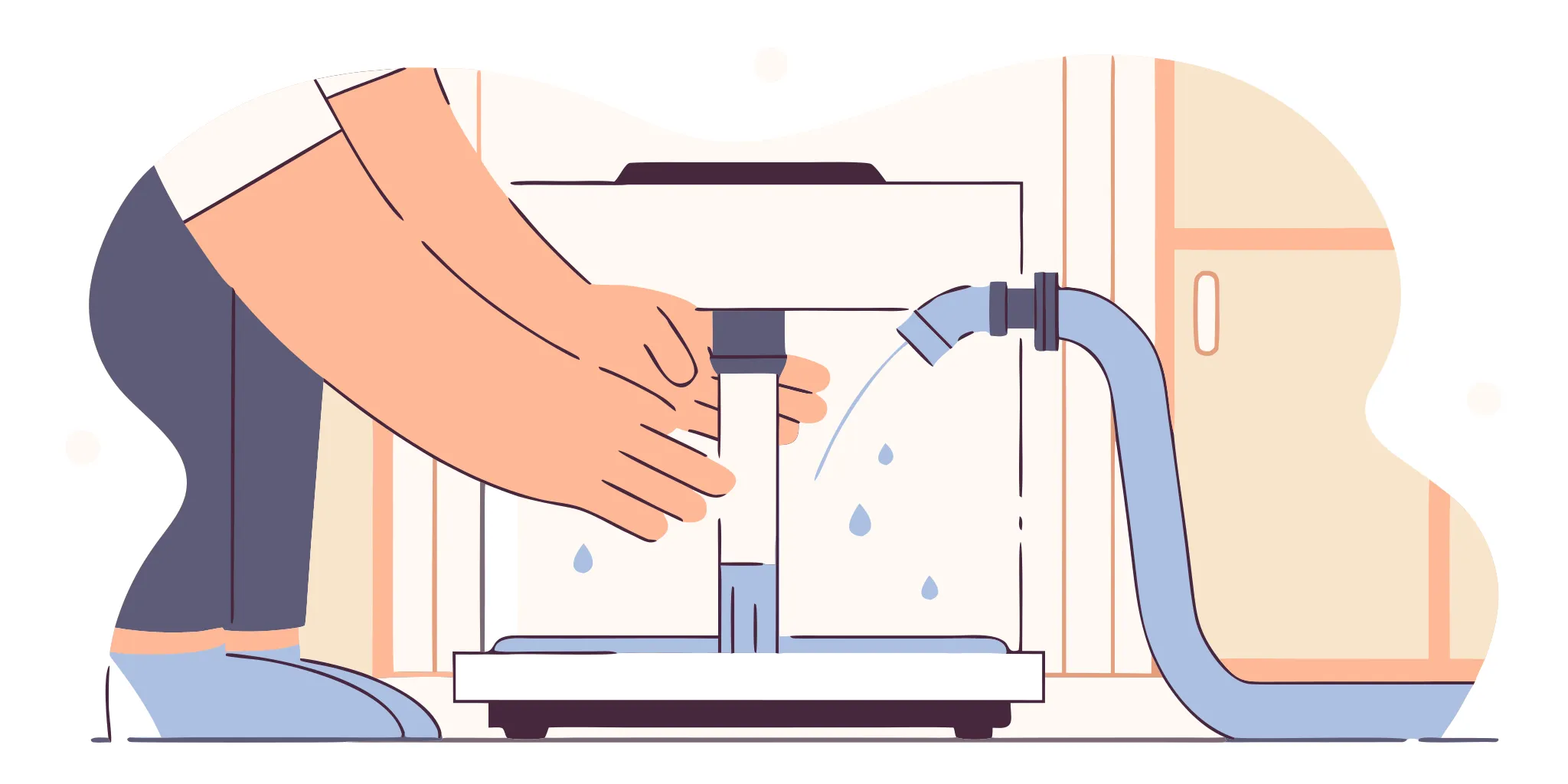
Your AC is designed to remove humidity from the air, and that moisture has to go somewhere. It’s collected and funneled outside through a condensate drain line. If you see water pooling around your indoor air handler, it’s almost always because that drain line is clogged with algae, dirt, or debris. The water backs up and spills out, potentially causing serious water damage to your floors, ceiling, and walls. While it might seem like just a leak, it’s a plumbing issue directly related to your HVAC system. A professional can quickly clear the blockage and prevent costly home repairs, protecting your property from further harm.
The Circuit Breaker Keeps Tripping
A circuit breaker is a safety device that cuts power when a circuit overloads. If your AC breaker trips, you can try resetting it once. However, if it trips again right away or continues to trip intermittently, do not keep resetting it. This is a sign that your AC is drawing too much electricity, which can happen if the motor is overheating or there’s a short in the wiring. Continuously forcing power to the unit is a significant fire hazard. A repeatedly tripping breaker is your electrical system’s way of telling you there’s a dangerous fault that needs immediate professional attention.
5 Troubleshooting Steps to Try Before You Call
When your AC gives out in the middle of a South Florida summer, it feels like a true emergency. Before you panic, take a deep breath. Sometimes, the fix is surprisingly simple, and you might be able to solve it yourself in just a few minutes. While some problems, like a refrigerant leak or a severely clogged drain, definitely require a professional, running through these five checks first can save you time and money. Think of this as your pre-call checklist to rule out the easy stuff. These steps cover the most common culprits behind AC failures and can help you get your cool air back on without having to wait for a technician.
Check Your Thermostat Settings
I know it sounds almost too simple, but you would be surprised how often the thermostat is the culprit. First, make sure it’s set to “Cool” and not “Heat” or “Fan.” It’s an easy mistake to make, especially with digital thermostats that have complex menus. Next, check the temperature setting. If it’s set higher than the current room temperature, the AC won’t kick on. Try lowering it by at least five degrees to see if that triggers the system. If you have a battery-powered thermostat, a dead battery could be the entire problem, so pop in a fresh set just in case.
Inspect Your Air Filter
A dirty air filter is one of the most common causes of AC problems. Its job is to trap dust and debris, but when it gets too clogged, it chokes your system. Restricted airflow makes your AC work much harder to cool your home, which can lead to weak airflow, poor cooling, and even cause the indoor unit’s coils to freeze over. You should check your filter every 30 days and plan to replace it every 30 to 90 days, depending on factors like pets and allergies. Simply slide the old filter out and hold it up to a light. If you can’t see light through it, it’s time for a new one.
Reset the Circuit Breaker
If your AC system won’t turn on at all, it might have tripped its circuit breaker. Head to your home’s main electrical panel and look for the breaker labeled for your AC or air handler. A tripped breaker will be in the “off” position or stuck in the middle. Flip it completely to the “off” position and then back to “on.” This can often restore power and get your system running again. However, if the breaker trips again right away, do not keep resetting it. This indicates a more serious electrical issue that needs a professional diagnosis to prevent damage or a fire hazard.
Clear Debris From the Outdoor Unit
Your outdoor AC unit, called the condenser, needs plenty of room to breathe. It works by pulling in air and releasing the heat from inside your home. If it’s surrounded by leaves, grass clippings, or overgrown shrubs, it can’t do its job efficiently. Take a quick walk outside and check on your unit. Make sure there’s at least two feet of clear space on all sides. Gently remove any leaves, weeds, or branches that are blocking the fins. This simple bit of yard work ensures proper airflow and helps your system run more effectively, especially during our long, hot summers.
Ensure All Air Vents Are Open
It’s a common myth that closing air vents in unused rooms saves energy. In reality, it does the opposite. Your HVAC system is designed to cool a specific amount of space, and closing vents throws off its balance. This increases pressure in your ductwork, which can lead to air leaks, reduced efficiency, and extra strain on your AC’s components. Walk through your home and make sure all the supply vents are open and not blocked by furniture, rugs, or curtains. This ensures the cool air can circulate freely as intended, allowing your system to work properly.
Understanding the Cost of Same-Day AC Repair
When your air conditioner quits on a sweltering Florida afternoon, your first thought is getting it fixed fast. Your second thought is probably about the cost. Same-day repair prices can feel mysterious, but they don’t have to be. The final bill depends on several factors, including the time of your call, the nature of the problem, and the parts needed to get your cool air flowing again. Understanding these components can help you feel more in control during a stressful situation.
While some AC issues require an HVAC specialist, many common problems, like water leaks, are actually related to your plumbing. A blocked condensate drain line is a frequent culprit that can shut down your entire system. Before you assume the worst, it’s helpful to know what goes into the price of an emergency repair so you can ask the right questions and know what to expect on the invoice.
What Influences the Price?
The biggest factor influencing the cost of a same-day repair is the problem itself. A simple fix, like clearing a clogged condensate drain line, will be far less expensive than replacing a failed compressor or a burnt-out motor. The age and maintenance history of your unit also play a significant role. Systems that receive regular tune-ups are often easier and cheaper to fix because the technician isn't working around layers of neglect. On the other hand, an older, poorly maintained unit may have multiple failing components, leading to a more complex and costly repair. Many expensive HVAC issues stem from small, overlooked maintenance tasks that eventually snowball into a major system failure.
After-Hours and Weekend Fees
If your AC fails outside of standard 9-to-5 business hours, you should anticipate paying a premium for the convenience of immediate service. Most companies charge extra for evening, weekend, or holiday calls to cover overtime pay for their technicians. These fees are standard across the industry for providing emergency service. Typically, you can expect an after-hours fee to add between $75 and $150 to your bill. For weekend or holiday service, that premium might be slightly higher, often ranging from $100 to $200 on top of the regular repair costs. While nobody loves extra fees, knowing about them upfront can prevent sticker shock when the bill arrives.
Diagnostic, Parts, and Labor Charges
Your final invoice will be broken down into a few key charges. First is the diagnostic fee, which covers the technician's time and expertise to travel to your home and identify the problem. This fee usually runs from $75 to $125. Once the issue is diagnosed, the cost of any necessary parts will be added. Companies typically mark up parts from their wholesale price to cover sourcing and inventory costs. Finally, you’ll see a charge for labor, which is the time the technician spends performing the actual repair. This is often the most variable part of the bill, as it depends entirely on the complexity of the job. A quality company will provide a clear estimate before starting any work.
Common Same-Day AC Fixes
When your AC gives out, the problem often falls into one of a few common categories. While some issues might seem complex, a trained technician can usually diagnose and fix them within a single visit. From refrigerant issues to electrical hiccups, understanding what might be wrong can help you communicate the problem clearly when you call for help. These are four of the most frequent culprits that lead to an emergency AC service call, especially here in the South Florida heat.
Refrigerant Leaks
Refrigerant is the lifeblood of your air conditioner; it’s the chemical compound that absorbs heat from your home and releases it outside. If your system has a leak, it won’t just stop cooling effectively, it can also cause serious damage to the compressor. You might notice your AC runs constantly but the air isn't cold, or you could hear a hissing sound. Because refrigerant is a hazardous substance, handling it requires a certified professional. A technician will need to find and repair the leak before recharging the system, a process similar to the specialized leak detection required for plumbing systems. Ignoring a refrigerant leak only leads to bigger, more expensive problems.
Electrical and Capacitor Failures
Your AC unit relies on several electrical components to function, and when one fails, the whole system can shut down. Capacitors, which give the motors the jolt they need to start and run, are a common point of failure. If your AC hums but won't start, or if the circuit breaker keeps tripping, an electrical issue is a likely suspect. These problems are not DIY fixes; working with high voltage is dangerous. A technician can safely test the electrical components, replace faulty capacitors or wiring, and get your system running again. Trying to fix it yourself can lead to further damage or serious injury.
Frozen Evaporator Coils
It seems counterintuitive, but a layer of ice on your indoor AC unit's evaporator coils is a clear sign of trouble. This usually indicates an airflow problem, such as a dirty air filter or blocked vents, which prevents the coil from absorbing enough heat. It can also be a symptom of low refrigerant. When the coils freeze, your AC can't cool your home, and the melting ice can cause significant water damage. If you see ice, turn off your AC to let it thaw and call a professional. They can identify the root cause, whether it's a simple airflow issue or a more complex refrigerant leak.
Clogged Condensate Drains
As your AC removes humidity from the air, it creates condensation that flows out through a pipe called a condensate drain line. Here in humid Florida, that line works overtime. If it becomes clogged with algae, dirt, or sludge, the water will back up. This can trigger a safety switch that shuts down your AC or, worse, cause water to overflow and damage your walls, ceilings, and floors. Clearing this blockage is essential. While some clogs are simple, recurring ones may point to a bigger issue. For persistent blockages, you need experts who specialize in drain services to ensure the problem is solved for good.
How to Find a Reliable Same-Day AC Service
When your AC gives out in the middle of a Florida heatwave, the last thing you want is the added stress of finding a trustworthy technician. The pressure to get it fixed now can make it tempting to call the first company you find, but a little due diligence goes a long way in avoiding shoddy work or surprise fees. Finding a reliable professional isn't just about getting your cool air back; it's about ensuring the job is done right so you aren't facing another breakdown in a few weeks. A rushed decision can lead to more problems, from an incorrect diagnosis to an expensive, temporary patch on a deeper issue.
A great same-day service company understands the urgency without cutting corners. They should be able to communicate clearly, offer transparent pricing, and stand behind their work. Think of it as finding a partner for your home's health. You want someone who can diagnose the problem accurately, whether it's a simple fix or something more complex like a clogged condensate drain that requires specialized attention. The right professional will give you confidence that your system is in good hands, explaining the issue and your options without pressure. Use these steps to quickly vet your options and choose a company you can count on when you need it most.
Read Online Reviews and Ratings
Before you pick up the phone, spend a few minutes checking online reviews. Go beyond the star rating and read what actual customers have to say about their experience, especially for emergency calls. Look for comments that mention professionalism, punctuality, and whether the technician took the time to explain the problem and the solution. Everyone seems to have an opinion on AC repair, but genuine customer feedback helps you see a company’s track record. Pay attention to how the company responds to reviews, both positive and negative. A professional and helpful response to criticism is often a sign of a company that values its customers and is committed to providing good service.
Verify Licenses and Insurance
This step is non-negotiable. A reputable AC repair company must be licensed and insured to operate in Florida, and this information should be easy to find on their website or by asking them directly. Licensing ensures that the technicians have the proper training and knowledge to work on your HVAC system safely and effectively. Insurance protects you, the homeowner, from any liability in the rare case of an accident or damage to your property during the repair. Hiring an unlicensed handyman might seem cheaper initially, but it can lead to costly misunderstandings and void your system’s warranty, costing you much more in the long run.
Ask About Availability and Arrival Times
When you call for same-day service, be direct about your needs. Ask for a clear estimate of when a technician can arrive. While it can be hard to pinpoint an exact minute, a professional company should be able to give you a reasonable service window, like "between 1 p.m. and 4 p.m." Also, ask if they provide updates, such as a call or text when the technician is on their way. This simple courtesy shows respect for your time and helps you plan your day. A company that is vague or noncommittal about their arrival time may not be organized enough to provide the reliable service you need, especially in an emergency.
Look for Transparent Pricing
One of the biggest worries with emergency repairs is the cost. While a company can't give you a final quote over the phone without diagnosing the issue first, they should be able to explain their pricing structure. Ask about their diagnostic fee (also called a service call fee), hourly labor rates, and whether they have extra charges for after-hours or weekend calls. A trustworthy company will be upfront about these costs. This transparency is a key part of their service, just as a sewer camera inspection provides a clear diagnosis before any major pipe work begins. This approach ensures you understand the potential costs before committing to the repair.
What Should Quality AC Repair Service Include?
When your AC gives out, the rush to get it fixed can make it easy to overlook the details. But knowing what to expect from a professional service helps you make smart decisions under pressure. Quality AC repair is about more than just getting the cold air back on; it’s about receiving a clear diagnosis, a reliable fix, and the assurance that the work is done right. A trustworthy technician will walk you through the problem and the solution, ensuring you feel confident in the repair process from start to finish.
This transparency is what separates a quick fix from a lasting solution. When you work with a trusted company, AC repair is a way to extend the life of your system and prevent bigger, more expensive issues down the road. Let’s look at the key components that define a high-quality service call.
A Clear Diagnosis and Honest Communication
A great technician won’t just tell you what’s broken; they’ll explain why it failed and what your options are in plain English. You should never feel pressured into a decision or confused by technical jargon. Instead, the technician should clearly outline the issue, the proposed solution, and the associated costs. This allows you to ask better questions and recognize when you’re getting solid, professional advice versus a sales pitch. Just as a plumber might use a sewer camera inspection to show you the exact location of a blockage, an AC pro should be able to pinpoint the source of the problem and justify their repair plan. Honest communication is the foundation of good service.
On-the-Spot Fixes vs. Scheduled Follow-Ups
Many common AC problems, like a clogged condensate drain or a failed capacitor, can be fixed during the initial visit. A professional technician arrives with a truck stocked with standard parts to handle these frequent issues immediately. However, some repairs may require specific components that need to be ordered. A reliable company will be upfront about this. They will explain why a part isn't on hand, provide a clear timeline for its arrival, and schedule a follow-up appointment. This transparency is a sign of integrity. Be wary of anyone who claims they can fix everything on the spot without even diagnosing the problem first, as this can lead to costly misunderstandings and short-term patches instead of real solutions.
Warranties on Parts and Labor
A reputable company will always stand behind its work. This means offering a warranty that covers both the parts they install and the labor they perform. Before you agree to any repair, you should always ask about the warranty terms. How long are the parts covered? What does the labor guarantee include? A solid warranty gives you peace of mind and protects your investment. It shows that the company is confident in the quality of its materials and the skill of its technicians. This commitment to providing durable, long-term solutions is a hallmark of a true professional who values your business and wants to ensure your system runs smoothly long after they’ve left.
AC Repair Myths That Can Cost You Money
When your AC gives out on a sweltering Florida day, you’ll hear all sorts of advice. The problem is, a lot of that common wisdom is just plain wrong, and following it can turn a minor repair into a major expense. Let's clear the air and bust a few costly myths so you can make smart decisions when your cooling system is on the line. Understanding the truth can save you from unnecessary repairs, higher energy bills, and the headache of a problem made worse, not better.
Myth: Any Handyman Can Fix Your AC
It’s tempting to call a general handyman to save money, but your air conditioner is a complex system. It has high-voltage electrical parts and pressurized refrigerants that require specialized training to handle safely. An unqualified person can easily misdiagnose the problem, cause more damage, or void your warranty. Hiring a licensed HVAC professional ensures the job is done right the first time. A botched repair is a far greater risk to your finances than paying a professional.
Myth: Closing Vents in Unused Rooms Saves Energy
This sounds logical, but it works against your system. Your AC is sized for your entire home, and closing vents increases air pressure in the ducts. This strains the blower motor, reduces efficiency, and can cause air leaks. Instead of saving money, you could be forcing your system to work harder and shortening its lifespan. For true efficiency, it’s better to keep all vents open and let the system operate as it was designed.
Myth: Same-Day Service Is Always Overpriced
The fear of being overcharged for an emergency repair is common, but waiting can often lead to bigger, more expensive problems. A refrigerant leak, for example, won’t fix itself and will only get worse, while a malfunctioning electrical part could damage other components. Reputable companies offer transparent, upfront pricing for their services, even for same-day calls. Think of it as an investment in preventing a catastrophic failure. Paying a fair price for a quick, professional repair restores your comfort and protects your system from more extensive damage.
Myth: A Bigger AC Unit Cools Better
When it comes to air conditioners, bigger is definitely not better. An oversized unit will cool your space too quickly, shutting off before it has a chance to dehumidify the air. This leaves you with a cold, clammy environment that can encourage mold growth. This rapid on-and-off cycling, known as short-cycling, also puts excessive wear on the compressor and wastes energy. A professional technician will perform a proper load calculation to determine the exact size your home needs for optimal cooling, efficiency, and comfort.
How to Prevent Future AC Emergencies
An AC emergency in the middle of a Florida summer is something we all want to avoid. While it’s great to know who to call when things go wrong, a little proactive care can save you a lot of money, stress, and sweat. Taking a few simple steps throughout the year keeps your system running efficiently and helps you catch small issues before they become major breakdowns. Think of it as preventative medicine for your home’s most important appliance. These aren't complicated, time-consuming tasks, just simple habits that make a huge difference in your AC's performance and lifespan. By focusing on regular upkeep, you can enjoy consistent, cool air and keep emergency repair bills at bay. Here’s what you can do to keep your system in top shape.
Change Your Air Filters Regularly
One of the easiest and most effective ways to maintain your AC is to change the air filter consistently. It’s a common myth that filters only need to be swapped out once a year. In reality, a dirty filter restricts airflow, forcing your system to work much harder to cool your home. This extra strain can lead to higher energy bills and premature component failure. For most homes, changing the filter every 1 to 3 months is a good rule of thumb, but you may need to do it more often if you have pets or allergies. Similarly, avoid closing vents in unused rooms. Your AC is designed to cool a specific square footage, and closing vents disrupts this balance, which can cause unnecessary wear.
Schedule Seasonal Maintenance
Just like your car needs regular oil changes, your AC system needs professional tune-ups to run its best. Scheduling maintenance in the spring, before the summer heat kicks in, is a smart investment. During a service visit, a technician will clean the coils, check refrigerant levels, inspect electrical connections, and clear the condensate drain line. A clogged drain is a frequent cause of water leaks and system shutdowns, something our team at Pipe Surgeons sees often when inspecting drain services. Professional tune-ups can extend the life of your AC unit by years and even lower your annual energy costs. This preventative check-up allows a technician to spot and fix minor problems before they leave you in the heat.
Keep Your Vents and Outdoor Unit Clean
Your AC system has two main parts that need to breathe: the indoor vents and the outdoor unit. Inside, make sure your supply and return vents are not blocked by furniture, curtains, or rugs. A quick vacuum can also keep them free of dust and debris. Outside, the condenser unit needs plenty of space for air to circulate. Trim back any shrubs, weeds, or grass growing around it, leaving at least two feet of clearance. Gently hosing down the exterior fins a few times a year can also wash away dirt and pollen that accumulate. Keeping these areas clean is essential for efficiency and helps your system cool your home without having to overwork itself.
Related Articles
- Air Conditioning - Pipe Surgeons
- Keep Your Drain Cleaner, And Know When To Call A Professional To Fix Your Miami Home’s Drains - Pipe Surgeons
- How Leak Detection & Water Pipe Repairs Help Keep Floors In South Florida Homes From Being Torn Up - Pipe Surgeons
- How To Troubleshoot A Water Leak In Your Front Yard In Port Aventura, Fl? - Pipe Surgeons
- Aventura, FL Drain Cleaning - Pipe Surgeons
Frequently Asked Questions
My AC is leaking water inside. Is this an AC problem or a plumbing problem? It’s actually both, which is why it can be so confusing. The leak is coming from your AC unit, but the cause is a plumbing issue: a clogged condensate drain line. Your air conditioner creates condensation as it cools, and this water is supposed to exit your home through that drain. When it gets blocked with algae and grime, the water backs up and spills out. This requires a professional to clear the blockage, a task that falls right into the expertise of drain specialists.
When should I stop troubleshooting myself and just call a professional? You should call a professional as soon as you’ve ruled out the simple fixes or if you notice any serious warning signs. If you’ve already checked the thermostat, replaced the air filter, and reset the breaker once without success, it’s time to call for help. Definitely call immediately if you hear loud grinding or banging noises, smell something burning, or if the circuit breaker trips repeatedly. Those are signs of dangerous electrical or mechanical failures that are not safe for a DIY fix.
What’s the most important thing I can do to prevent an AC emergency? While changing your air filter regularly is incredibly important, the single best thing you can do is schedule a professional maintenance visit every spring. During a tune-up, a technician does more than just a simple cleaning. They inspect the electrical components, check refrigerant levels, and clear the condensate drain line before it has a chance to clog. This preventative check-up allows them to catch and fix small, hidden problems before they can turn into a major breakdown on a hot summer day.
Is a same-day repair always going to be extremely expensive? Not necessarily. While you might pay a premium for after-hours or weekend service, the final cost really depends on the problem itself. A simple fix, like replacing a capacitor or clearing a drain line, can be quite affordable. In many cases, waiting to fix a problem can actually cost you more in the long run. For example, letting your system run with a refrigerant leak can destroy the compressor, turning a manageable repair into a catastrophic and expensive failure.
In an emergency, how can I quickly tell if an AC company is trustworthy? When you're in a hurry, focus on three key things. First, do a quick search for their online reviews and look for recent feedback about their emergency service. Second, when you call, ask them to confirm they are licensed and insured. A legitimate company will have this information ready. Finally, ask about their pricing structure upfront, including any diagnostic fees or after-hours charges. A trustworthy company will be transparent about costs and won't pressure you before they’ve even seen the unit.