There’s a common belief that if you don’t see a plumbing problem, there isn’t one. This “out of sight, out of mind” approach is one of the riskiest gambles a property owner can take. The truth is, serious issues like tiny cracks, developing corrosion, and slow-growing tree roots don’t cause immediate symptoms. They develop silently over time until you’re suddenly faced with a messy sewage backup and an expensive emergency repair. Waiting for a visible sign of trouble means you’ve waited too long. A proactive inspection separates myth from reality, giving you an accurate assessment of your pipe’s health. Before a small issue becomes a major disaster, schedule a sewer camera inspection.
Key Takeaways
- Be proactive, not reactive: Think of a sewer inspection as a routine check-up for your home's plumbing. Scheduling one regularly helps you catch small issues like minor root growth or developing cracks before they turn into messy, expensive disasters.
- Listen to your home's warning signs: Persistent problems like recurring clogs, slow drains, or foul sewage odors are your pipes telling you something is wrong. A camera inspection is the only way to accurately diagnose the root cause of these issues.
- An inspection is an investment, not an expense: The fee for an inspection provides invaluable information, giving you a precise diagnosis and preventing costly guesswork. It's also a non-negotiable step when buying a property to avoid inheriting hidden plumbing nightmares.
What Is a Sewer Camera Inspection?
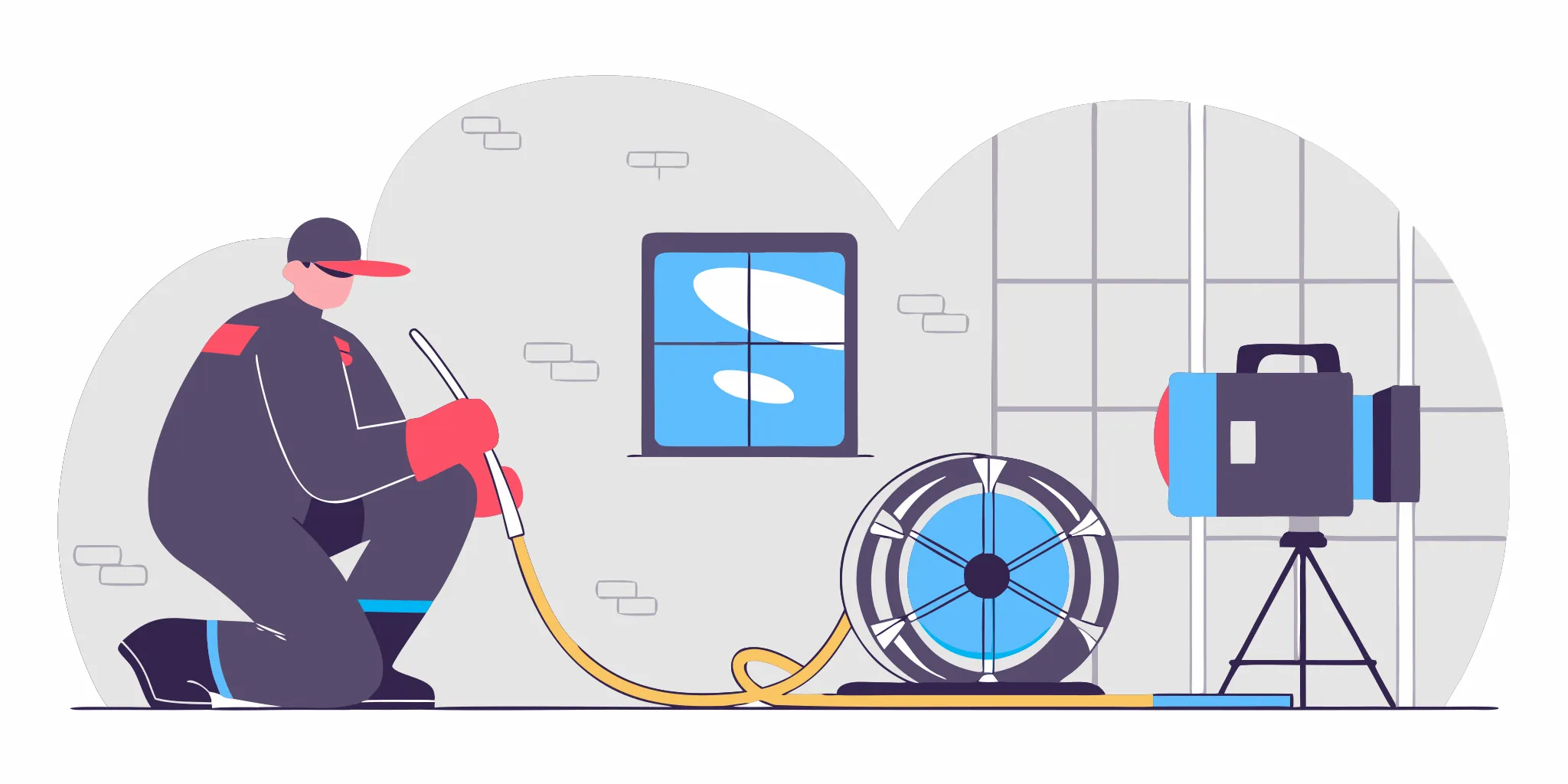
Think of a sewer camera inspection as a doctor's visit for your pipes. It’s a non-invasive way to get a clear picture of what’s happening deep inside your sewer lines without any digging or guesswork. A professional technician uses a flexible rod with a small, high-resolution waterproof camera on its tip. This camera is carefully guided into your pipes, sending a live video feed to a monitor. This allows us to see the exact condition of your pipes in real-time, identifying any issues with precision. It’s the most effective way to diagnose problems before they turn into major, costly emergencies.
How the Camera Technology Works
The process is straightforward and efficient. We start by finding an access point to your sewer line, which is usually a cleanout. From there, we insert the specialized camera, which is attached to a long, flexible cable. As we push the camera through the pipe, it records a high-definition video of everything it sees. The technician watches this feed on a screen, carefully examining the pipe walls for any signs of trouble. This technology allows us to inspect hundreds of feet of pipe, navigating corners and bends to get a complete view of your entire sewer system.
What Can a Sewer Camera Find?
A sewer camera is incredibly effective at finding the root cause of your plumbing problems. It can spot a wide range of issues, from common blockages caused by grease buildup or foreign objects to more serious structural damage. We can identify cracks, breaks, and collapsed sections of pipe that cause leaks and backups. One of the most common culprits we find is tree root intrusion, where roots have forced their way into the pipes seeking water. A sewer camera inspection also reveals issues like pipe corrosion, sagging lines that collect waste, and even poor installation work from the past.
How Long Does an Inspection Take?
For most residential properties, a standard sewer camera inspection is a surprisingly quick process. You can expect the entire inspection to take about an hour from start to finish. Of course, this can vary slightly depending on the length of your sewer line and the accessibility of the cleanout. For larger commercial or municipal properties, the inspection might take longer due to the system's complexity. In any case, it’s a small investment of time that provides invaluable information about the health of your plumbing and helps you avoid future headaches.
Signs You Need a Sewer Camera Inspection
Some plumbing problems are more than just minor annoyances. While a single clogged drain can often be a quick fix, persistent issues are your home’s way of telling you something more serious is happening underground. Your sewer line is out of sight, but it shouldn't be out of mind, especially when it starts sending up warning signs.
Ignoring these signals can lead to messy backups, property damage, and expensive emergency repairs. A sewer camera inspection is a simple, non-invasive way to see exactly what’s going on inside your pipes. Think of it as a check-up for your home’s plumbing arteries. Knowing when to call for one can save you a lot of stress and money. Here are the key signs that it’s time to schedule an inspection.
Recurring Clogs and Slow Drains
If you feel like you’re constantly battling slow drains or have a toilet that backs up frequently, it’s a clear sign of a deeper issue. While a plunger or chemical drain cleaner might offer a temporary fix, they don’t solve the underlying problem. When clogs keep coming back, it often means there’s an obstruction in your main sewer line that DIY methods can’t reach. This could be anything from invasive tree roots to grease buildup or a partially collapsed pipe. A camera inspection is the only way to identify the true cause and location of the blockage, allowing for a targeted and effective repair.
Foul Odors or Damp Spots in Your Yard
Your nose often knows when there’s a sewer problem. Persistent, foul odors that smell like sewage coming from your drains or wafting around your property are a major red flag. This indicates that sewer gas may be escaping from a crack or break in the line. Similarly, pay attention to your yard. Do you have unexplained wet, soggy spots or a patch of grass that’s suddenly much greener and lusher than the rest? These are classic signs of a leaking sewer line fertilizing the soil from below. A professional leak detection and camera inspection can confirm the break and pinpoint its exact location.
Aging Pipes or Buying a New Property
Sometimes, the best time for an inspection is before a problem even starts. If your home was built several decades ago, your original sewer lines are nearing the end of their lifespan. An inspection can assess the condition of these aging pipes and catch deterioration before a catastrophic failure occurs. Likewise, if you’re buying a new home, a sewer inspection is an essential piece of due diligence. It acts as a house inspection for your sewer system, potentially saving you from inheriting thousands of dollars in hidden problems and future trenchless pipe repairs. It’s a small investment for significant peace of mind.
How Often Should You Get a Sewer Inspection?
Knowing when to schedule a sewer inspection can feel like a guessing game, but it doesn’t have to be. The right frequency depends on your property type, the age of your pipes, and your plumbing history. Think of it as preventative care for your property’s essential systems. A proactive approach helps you catch small issues before they turn into messy, expensive emergencies. For some, an annual check-in is perfect. For others, especially those with older pipes or commercial properties, more frequent inspections might be necessary. Let’s break down the recommended schedule for your specific situation.
For Homeowners
As a rule of thumb, scheduling a professional look at your home's pipes at least once a year is a great preventative measure. This annual check-up helps our technicians spot minor issues like small cracks or root intrusion before they cause major backups. You should also always get a sewer camera inspection before buying a new home. It’s just as important as the general home inspection, giving you a clear picture of the underground pipe condition so you aren’t inheriting costly problems from the previous owner. It’s the best way to ensure your new dream home doesn’t come with a nightmare plumbing situation.
For Businesses and Municipalities
For commercial properties, restaurants, and municipalities, the stakes are much higher. A sewer line backup can lead to business closures, health code violations, and significant repair costs. Because of this, we recommend more frequent, routine inspections as part of a preventative maintenance plan. Regular sewer line inspections allow you to stay ahead of potential disasters by catching hidden issues early. Depending on the age of your infrastructure and the demands placed on it, scheduling inspections semi-annually or even quarterly can be a wise investment that protects your operations, customers, and bottom line from unexpected disruptions.
If You Have a History of Plumbing Problems
If your property has a track record of plumbing issues, you should be more vigilant. Don't wait for your annual check-up if you notice red flags. If you’re dealing with recurring slow drains, sewage backups, or strange, foul odors coming from your yard or drains, it’s time to schedule a sewer camera inspection right away. These are clear signs that something is wrong within your pipeline. Even in newer homes, ignoring these symptoms can lead to extensive and expensive damage down the road. Acting quickly is the key to identifying the root cause and preventing a small problem from becoming a major catastrophe.
What Does a Sewer Camera Inspection Cost?
Thinking about the cost of a sewer camera inspection is a smart first step. It’s helpful to see it not as a cost, but as an investment in your property’s health. The price gives you a clear, accurate diagnosis of your plumbing system, taking the guesswork out of repairs and preventing small issues from becoming major headaches. While the final price can vary, understanding the factors involved will help you know what to expect when you get a quote. A sewer camera inspection is a non-invasive procedure where a specialized waterproof camera is fed through your pipes to give a real-time view of their condition. This allows a professional to identify the exact location and nature of any blockages, cracks, root intrusion, or other damage. This targeted approach ensures that you only pay for the necessary repairs, saving you from more extensive and expensive problems down the line. It’s about getting answers first so you can make an informed decision about how to proceed, rather than blindly attempting a fix that might not even address the root cause. Ultimately, knowing exactly what you're dealing with provides peace of mind and a clear path forward, which is invaluable when it comes to protecting your home or business.
Factors That Influence the Price
The cost for a residential sewer camera inspection typically falls between $125 and $500, but this can change based on a few key factors. The primary influences on price are the length of the pipe that needs to be inspected and its accessibility. A longer sewer line naturally takes more time to inspect. Additionally, if your property lacks an accessible cleanout port, the technician may need to take extra steps to get the camera into the line, which can affect the total cost. A professional team will always provide a clear estimate before beginning a sewer camera inspection.
Why the Inspection Fee Is Separate from Repairs
It’s important to know that the fee for the inspection service is separate from the cost of any repairs. Think of it like a diagnostic test at a doctor's office; the test identifies the problem, and the treatment is a separate step. The inspection fee covers the use of highly specialized camera equipment, the technician’s expertise, and the time it takes to thoroughly examine the footage and provide you with a detailed report. Once the problem is identified, we can give you an accurate quote for fixing any problems that were discovered, whether it’s a simple cleaning or a more involved repair.
How an Inspection Saves You Money in the Long Run
While it might feel like another expense, a sewer camera inspection can save you thousands of dollars over time. Catching a small issue, like minor root intrusion or a developing crack, allows for a targeted and less invasive repair. If left unchecked, that small problem could turn into a complete pipe collapse, leading to a messy sewage backup, extensive excavation of your yard, and a much higher repair bill. By investing in a proactive inspection, you are protecting your property from a future plumbing catastrophe and ensuring you address issues when they are smaller, more manageable, and far less expensive to fix.
Common Myths About Sewer Inspections
When it comes to maintaining your property, some things are easy to ignore. Your sewer line is definitely one of them. Since it’s buried underground, it’s easy to assume everything is working fine until it isn’t. Unfortunately, this “out of sight, out of mind” approach is fueled by a few common myths that can lead to messy, expensive, and stressful plumbing emergencies. Believing these misconceptions can cause you to put off essential maintenance that could have saved you from a major headache.
The truth is, what you don’t know about your sewer system can absolutely cause problems. Small issues like tiny cracks, early-stage tree root intrusion, or minor blockages don’t announce themselves with big, obvious signs. They grow quietly over time until you’re faced with a backed-up sewer, a flooded basement, or a soggy, smelly yard. A proactive sewer camera inspection is the only way to get a clear view of what’s happening inside your pipes. Let’s clear up some of the most persistent myths so you can make informed decisions about your property’s plumbing health.
Myth: "My pipes are new, so they must be fine."
It’s logical to think that a new home or recently installed pipes would be free of problems, but that isn’t always the case. Even brand-new plumbing systems can have hidden defects. During construction, it’s possible for pipes to be installed with improper grading, which affects flow and can lead to blockages. Joints might not be sealed correctly, creating weak spots for future leaks. Sometimes, construction debris can even be left inside the line.
An inspection on a new property isn't about expecting the worst; it's about confirming everything was done right. It gives you a baseline for your pipe's condition and ensures a small installation error doesn't turn into a significant failure down the road.
Myth: "If I don't see a problem, there isn't one."
Waiting for a visible sign of trouble before checking on your sewer line is a risky gamble. By the time you notice recurring clogs, foul odors, or damp spots in your yard, the underlying problem has likely been developing for months or even years. Issues like tree roots slowly working their way into pipes or a small crack gradually widening don’t cause immediate backups. They create the perfect conditions for a future plumbing disaster.
Think of a sewer inspection as a preventative health screening for your pipes. It allows a professional to spot these hidden issues early, while they are still minor and relatively easy to fix. Proactive leak detection and inspection can prevent a simple clog from becoming a full-blown sewer line collapse.
Myth: "It's just an extra, unnecessary cost."
Viewing a sewer inspection as an unnecessary expense is a short-sighted perspective that can cost you dearly in the long run. The fee for a camera inspection is a fraction of what you would spend on emergency repairs, water damage cleanup, and restoring your landscaping after a major sewer line failure. It’s a preventative measure that provides invaluable information about the health of your plumbing system.
By investing in an inspection, you can catch problems early and plan for repairs on your own schedule, rather than dealing with an unexpected and costly emergency. This knowledge saves you money, time, and the immense stress that comes with a plumbing crisis, potentially helping you avoid the need for extensive trenchless pipe repair later on.
How to Choose the Right Sewer Inspection Service
Finding the right team to inspect your sewer lines is a big decision. You’re trusting them to accurately diagnose the health of a critical, hidden part of your property. The right company will have the right mix of experience, technology, and professionalism to give you a clear picture of what’s going on underground. To make sure you’re hiring a true expert, focus on a few key areas before you book an appointment.
Look for Experience, Licensing, and Insurance
When you’re dealing with something as complex as a sewer system, experience isn't just a number; it’s peace of mind. A team that has been in the business for decades has encountered nearly every possible issue, from common blockages to complex structural failures. Look for a company with a long history in South Florida, as they’ll also understand local building codes and environmental factors. Beyond experience, always confirm that the service is fully licensed and insured. This protects you from liability and ensures the technicians performing your sewer camera inspection are held to professional standards. A company with deep roots and proper credentials is a partner you can trust with your property.
Ask About Their Technology and Reporting Process
The quality of a sewer inspection depends entirely on the technology used and the clarity of the report you receive. A reputable service uses a high-resolution camera on a flexible cable to get a clear view inside your pipes. This allows them to identify problems like clogs, cracks, invasive tree roots, or sagging pipe sections without any digging. Just as important is how they present their findings. Ask if you will receive a copy of the video footage and a detailed written report. A professional service will walk you through the results, explain what they mean, and provide clear recommendations for any necessary trenchless pipe repairs.
Schedule Your Sewer Camera Inspection with Pipe Surgeons
If you’re noticing persistent plumbing issues like slow drains, sewage backups, or strange odors around your property, don’t wait for the problem to get worse. These are classic signs that something is wrong in your sewer line. Scheduling an inspection is a proactive step that can save you from facing a much larger, more expensive emergency down the road. At Pipe Surgeons, we combine over 40 years of experience with advanced diagnostic tools to give you an accurate and honest assessment of your pipes. We’ll help you understand the condition of your sewer system and provide effective solutions to keep it flowing smoothly.
Related Articles
- Sewer Inspections: How To Hold Your Costs Down - Pipe Surgeons
- Sewer Camera Inspection - Pipe Surgeons
- Camera Inspection Services Save Customers Money - Pipe Surgeons
- Finding Leaks in Sewers and How to Fix – Full Guide - Pipe Surgeons
- Pipeline Inspection - Pipe Surgeons
Frequently Asked Questions
Will a sewer camera inspection damage my pipes or create a mess? Not at all. The entire process is designed to be safe for your pipes and clean for your property. The camera equipment is flexible and smooth, allowing it to travel through your sewer line without causing any harm. Our technicians typically work from an outdoor access point, so the procedure is contained and won't disrupt your home or yard.
What exactly do I receive after the inspection is finished? You get a complete and clear diagnosis of your pipe's condition. We provide you with the video footage from the camera's journey through your sewer line, along with a detailed report. This report explains any issues we found, like cracks or blockages, and pinpoints their exact locations. We will then review the findings with you so you fully understand the situation and can make an informed decision about the next steps.
Is this something I should do even if my house is brand new? Yes, we absolutely recommend it. An inspection on a new property serves as a final quality check on your plumbing system. It can uncover hidden issues from the construction process, such as improperly connected pipes, poor grading that could cause future backups, or even leftover debris. Getting an inspection early confirms everything was installed correctly and gives you a valuable baseline for your pipe's condition.
Why can't I just use a chemical drain cleaner for my recurring clogs? Chemical cleaners might provide a temporary patch for a simple clog, but they are not a solution for persistent problems. When you have drains that repeatedly back up, it usually points to a more serious issue deeper in the line, like invading tree roots or a structural flaw. A camera inspection finds the true source of the blockage, allowing for a permanent repair instead of just repeatedly treating the symptom.
If a problem is found, do I have to get it fixed right away? The answer depends on the severity of the issue. The main benefit of an inspection is that it gives you information and control. If we find a critical problem that poses an immediate risk of backups or property damage, we will advise an urgent repair. However, for minor issues, the inspection report gives you the knowledge to plan and budget for a future repair on your own schedule, helping you address it proactively before it becomes an emergency.