

Sewer Line Repair Permits in Florida: What Owners Should Ask is a project-specific question, not one with a single answer for every property. The responsible authority, permit type, and inspection process can vary with the pipe location and the work proposed. Before authorizing a repair, identify the pipe segment, get the scope in writing, and ask the agency or utility with jurisdiction to confirm what applies.
Request a pipe service assessment
Who decides whether a sewer line repair permit is needed?
The first step is to identify who has authority over the place where the work will happen. Depending on the property and scope, that may involve a city or county department, a utility, or another public agency. A property owner should not assume that a general statewide answer settles every local permit or inspection question.
Florida has a statewide building-code framework, but that fact alone does not determine how a particular sewer repair is reviewed at a particular address. The Florida Building Commission’s official site is a useful starting point for general code-framework information. For the project decision, contact the local authority or utility and describe the exact work; do not treat a general website or contractor estimate as a permit determination.
Ask for the name of the agency or department, the appropriate contact or permit desk, and any written instructions. If more than one body may be involved, ask each one what it controls. For example, approval for work on private property may not address separate requirements related to a public connection, easement, street, or sidewalk.
- Ask which authority has jurisdiction over the address and affected pipe segment.
- Clarify whether the pipe is private, shared, or part of public infrastructure.
- Confirm who is expected to apply, pay any applicable fees, and arrange inspections.
- Ask how to document a determination that a permit or inspection is not required.
- Keep the name, date, and written response from each agency or utility you contact.
Pipe Surgeons specializes in pipe diagnostics, rehabilitation, and repair. Its pipe repair and inspection services can help establish observed pipe conditions and discuss a potential scope. The responsible authority, however, should confirm the requirements that apply to the project.
Which project details can change the answer?
“Sewer repair” can describe several different jobs. A localized repair on private property may raise different questions from a full replacement, a change to the pipe route, or work that reaches a public area. The method matters to describe, but it does not by itself establish whether permission or inspection is needed.
Before calling the authority, write down the street address and explain where the affected segment is thought to be. Note whether the work may involve excavation, a trenchless process, an altered connection, or access through a shared area. If the boundaries or pipe route are uncertain, say so rather than presenting an estimate as a confirmed location.
| Project detail | Why it matters to the inquiry | Question to ask |
|---|---|---|
| Location of work | Private land, a shared area, an easement, and public space can involve different parties. | Which agency or utility reviews work at this location? |
| Pipe ownership | The owner responsible for the segment may differ from the person arranging access. | How can we confirm who controls or maintains this section? |
| Work scope | A spot repair, lining, or replacement can involve different review and documentation. | Does this exact method and scope require a permit or inspection? |
| Connection or route | A changed alignment, point of access, or public connection may prompt additional coordination. | Does the proposed work alter a connection, route, or access point? |
| Surface and access | Street, sidewalk, landscape, or shared-area disturbance may involve other approvals or restoration. | Are separate access, right-of-way, utility, or restoration steps required? |
| Property type | A home, commercial site, industrial facility, or municipal asset may have different decision-makers. | Who has authority to approve the work and retain the records? |
Use these topics to organize a conversation, not as a substitute for local rules. Ask the authority whether it needs a sketch, application, written scope, access permission, or other material before it can answer. Get its instructions in writing when possible, especially if a proposed method or work area changes later.
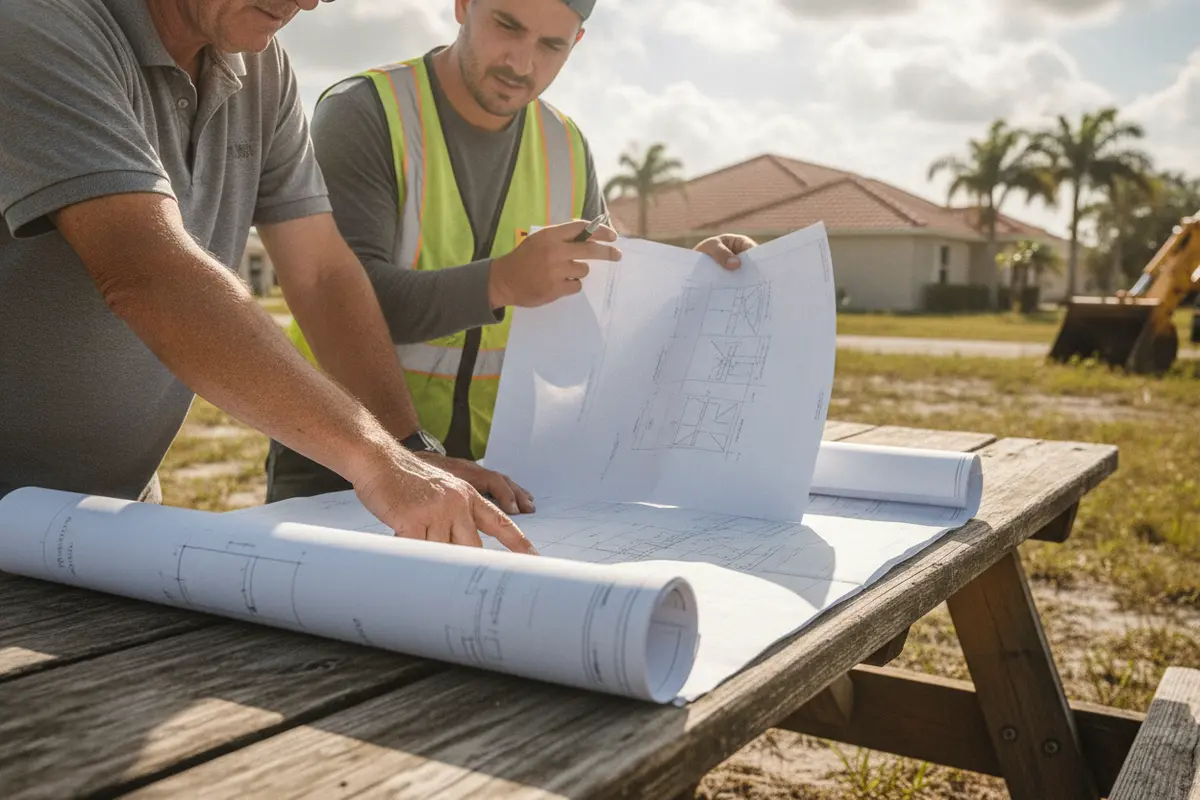
How should you define the proposed scope before asking?
A clear scope helps both the authority and the property owner understand what is being considered. It does not need to be a technical drawing if one has not been prepared. It should identify the affected segment as clearly as available information allows, the observed issue, the proposed method, and surfaces or access points that may be disturbed.
If the problem has not been located precisely, say that the location is preliminary. A sewer camera inspection may provide information about accessible portions of a line and help describe findings. It does not determine ownership, boundaries, permitting needs, or the full condition of every inaccessible segment. Ask what the inspection can and cannot establish in the circumstances.
A useful written scope can include:
- The property address and the suspected start and end points of the affected section.
- Available inspection findings, including the date and the limits of what was inspected.
- The proposed approach, such as localized repair, lining, bursting, or replacement, if known.
- Whether access, excavation, surface opening, or work near a boundary is anticipated.
- Assumptions that remain unresolved and what could cause the scope to change.
- The party expected to contact the authority, apply, coordinate inspection, and provide closeout records.
Do not describe a tentative method as final if the diagnosis is still in progress. If a camera finding suggests a problem but its location relative to a boundary is unclear, mark that uncertainty explicitly. A sound permit inquiry depends on the proposed work matching what the contractor may actually perform.
For a possible hidden leak or uncertain pipe location, ask whether leak detection or another diagnostic step would clarify the condition before the scope is presented. Diagnostics can help inform a work plan; they are not a permit approval.
What questions should you ask the contractor?
Ask the contractor to explain the findings, the work being proposed, and the parts of the approval process it will handle. Responsibility should be specific. “We take care of permits” is not enough detail if you do not know which authority is being contacted, whether the property owner must sign or provide documents, or who will schedule inspections.
- What evidence supports the proposed repair area and method?
- Which portion of the pipe is included, and what is outside the written scope?
- Will the work involve excavation, trenchless rehabilitation, or a combination?
- Could the work approach a property line, easement, street, sidewalk, shared area, or public connection?
- Who will verify requirements with the authority, submit applications, and arrange inspections?
- What information or authorization must I provide, and by when?
- What happens if the authority requests a revised scope, added documents, or another inspection?
- Which approvals and completion records will I receive?
Pipe Surgeons offers sewer pipe repair and rehabilitation options. When a no-dig method is being considered, ask how its suitability relates to the observed pipe condition and site constraints. Trenchless pipe repair can include different approaches, and feasibility depends on the project. A method that limits excavation does not automatically resolve questions about jurisdiction, access, connections, or approval.
For example, suppose an inspection indicates a damaged section beneath a landscaped area, but the line’s route near a shared boundary is uncertain. A useful next step is not to assume that a permit is or is not needed. Ask the contractor to document the proposed repair location and method, ask the relevant authority how it treats that scope, and clarify who obtains any neighbor or shared-property authorization. If the route later changes, revisit the inquiry rather than relying on an answer based on the earlier plan.
How can you prepare for a call with the local authority?
Have a concise project description ready before calling. You may not have every detail, and the authority may request different materials, but clear answers to basic questions make it easier to learn what information is missing.
- Start with the address. Give the complete property location and explain whether the work is residential, commercial, industrial, or municipal.
- Describe the segment. Identify what is known about the pipe route, access point, and affected area. Label estimates as estimates.
- Summarize the proposed work. Explain whether the contractor is considering a localized repair, lining, bursting, replacement, or another approach.
- Disclose nearby constraints. Mention shared property, an easement, a boundary, a road, sidewalk, or connection that may be affected.
- Ask what applies. Confirm whether an application, permit, inspection, separate authorization, or restoration requirement may apply.
- Ask what to submit. Find out whether the authority wants a written scope, sketch, inspection record, owner authorization, or other documentation.
- Record the response. Note the date, contact or department, reference number if provided, and any conditions or next steps.
Request a written answer or a link to the applicable instructions when available. If the authority gives a verbal response, make a dated note and ask whether it can confirm by email or direct you to an official document. Do not rely on a vague recollection of a phone call when scheduling work that may affect public space or another owner’s property.
Keep the agency’s answer alongside the contractor’s written scope. If the scope changes, compare the new version with the facts you gave the authority. Ask whether the earlier response still applies or whether the authority needs to review the revised plan.
How do you compare proposals and permit responsibilities?
Compare proposals by what each one includes, not only by the named repair method. Two bids can describe different segments, access assumptions, inspection coordination, or restoration responsibilities. Before comparing them, check that each contractor is responding to the same known condition and proposed work area.
- Scope: Does the proposal identify the affected pipe segment, planned work, and exclusions?
- Permit coordination: Does it say who verifies local requirements and who submits any application?
- Owner participation: Does it identify signatures, access, or records the owner must provide?
- Inspection: Does it state who contacts the authority and arranges any required inspection?
- Changed conditions: Does it explain how a revised scope will be communicated and reviewed?
- Closeout: Does it describe what permit, inspection, or completion documents will be shared?
Ask each contractor to identify uncertainties rather than burying them in a general allowance. For instance, if the pipe route is not confirmed, ask whether the proposal assumes a specific route and what would happen if that assumption proves wrong. If surface access or public-area work is not yet resolved, ask who will obtain direction before proceeding.
Pipe Surgeons’ pipe bursting information can help you understand one possible rehabilitation approach; it is not a determination that the method fits a particular site. For a larger property or organization, the industries served page provides context on Pipe Surgeons’ work across property types. The scope and permit steps still need to be confirmed for the individual project.
Owners of shared, commercial, or managed property should identify the decision-maker early. A property manager, association, facilities team, utility, or public agency may need to authorize access or coordinate records. Ask who has authority to approve the work and who will retain the final documentation. If work is near a neighboring parcel, confirm that access and responsibilities are addressed before crews are scheduled.
What records should you keep through completion?
Keep an organized project file from the first inquiry through closeout. This makes it easier to show what was proposed, which requirements were confirmed, and what work was documented as complete. It can also help if a later inspection or property transaction raises questions about the repair.
- The dated written scope and any revised versions.
- Inspection findings, available video or still images, and notes about inspection limits.
- Messages, emails, or written guidance from the responsible authority or utility.
- Applications, permits, approval notices, reference numbers, and inspection records, when applicable.
- Access approvals or owner authorizations for shared property or other areas.
- Completion documents and a description of any work that differed from the original scope.
If an authority says no permit is needed, keep the response and record what scope it addressed. That answer may not cover a later change in location, method, or connection. If the work expands after opening the site or gathering additional diagnostic information, pause to confirm whether the revised work requires another review before proceeding.
These records are useful even when no formal permit is required. They can distinguish an initial diagnosis from the final repair, show which segment was addressed, and preserve any limitations the contractor identified. Ask for records in a form you can store and retrieve, and keep copies separate from temporary email threads.
Discuss your pipe repair questions with Pipe Surgeons
How might the permit inquiry differ by property?
The right questions become clearer when you picture the site and the people who control it. These examples do not predict what an authority will require. They show how to describe the project without assuming that the same process applies everywhere.
Single-family property with uncertain route: An owner has a camera inspection finding but does not know where the affected segment lies relative to the lot boundary. The owner can ask the contractor to explain what the inspection establishes and what remains uncertain, then contact the local authority with the address and provisional scope. If the contractor later locates the work near an easement or shared connection, the owner should ask whether the earlier response still covers the changed details. The useful record is not just the answer, but the scope and location that the answer addressed.
Managed or commercial property: A facilities manager is planning work in a shared area with multiple decision-makers. Before requesting a determination, the manager can identify the person authorized to approve access, the utility or agency that may control a connection, and the contractor’s role in handling applications or inspections. The inquiry should distinguish work on the property from any possible work in a public area. A proposal that says only “repair sewer line” may not give each reviewer enough information to respond.
In either example, changes matter. If investigation reveals a different damaged segment, access route, or method, update the written scope and confirm whether the prior direction still applies. This simple check helps prevent a preliminary conversation from being mistaken for approval of a materially different project.
Frequently asked questions
Does every sewer line repair in Florida need a permit?
There is no single answer that can be applied to every property and scope in this guide. Requirements can depend on the location, pipe segment, method, and authority involved. Ask the local department or utility with jurisdiction to confirm what applies to the exact proposed work.
Can a contractor confirm that no permit is needed?
A contractor can help describe the work and may assist with the application or inspection process. The responsible authority is the source to confirm its requirements. Ask who is making each inquiry and request a written response or official instructions where possible.
Does trenchless work remove the need to ask about permits?
No. A trenchless approach may reduce excavation, but it does not establish who has jurisdiction or whether a permit, inspection, access approval, or connection review applies. Describe the exact method and location to the authority.
What if I do not know where the sewer line runs?
Tell the contractor and authority that the route is uncertain. Ask whether available inspection information or other site documentation can help clarify the segment before you request a determination. Avoid treating an estimated route as confirmed.
What should I retain after the work is done?
Keep the final scope, relevant inspection findings, agency responses, permit and inspection records when applicable, access approvals, and completion documents. If the finished work differed from the plan, keep a record of the change and any follow-up direction.
Plan a clear next step
Before authorizing sewer line work, get the proposed scope in writing and ask the appropriate local authority to confirm the permit, inspection, and access requirements for that specific project. If you need help understanding pipe conditions or discussing repair options, review Pipe Surgeons’ services and prepare the questions that apply to your site.
Request a pipe service assessment
A documented scope, a direct answer from the responsible authority, and organized project records make it easier to plan sewer line repair with fewer unanswered questions.