
Choosing between trenchless vs traditional water line replacement starts with a practical question: where is the damaged line, and what must be opened to reach it? Both approaches can restore water service, but the suitable method depends on the pipe, route, access, surrounding utilities, and surface conditions confirmed during an assessment. For South Florida and Treasure Coast property owners, comparing the actual scope is more useful than assuming one method is always faster, cheaper, or better.
Discuss your water line concerns
What is the difference between trenchless and traditional replacement?
Traditional replacement generally relies on excavation to expose the pipe so crews can remove and replace the affected section, or a longer run when the scope calls for it. The excavation may follow much of the pipe route. The actual area depends on pipe depth, connections, access, and the work being performed.
Trenchless work uses specialized methods and access points to repair or replace underground pipe while aiming to limit the amount of surface excavation. It does not mean that no digging is needed. Crews may still need access pits, room for equipment, and a work area for preparing or connecting the pipe. Each method also has limits: a technique that works on one pipe configuration may not suit another.
It helps to separate three possible goals. A localized repair addresses a confirmed problem in a particular section. Rehabilitation aims to restore a pipe using a method suited to its existing condition. Replacement installs a new line, either through an excavation-based approach or a suitable trenchless method. The recommendation should state which goal is proposed and why.
How do the options compare?
| Consideration | Trenchless approach | Traditional excavation |
|---|---|---|
| Access | Uses targeted access points, whose number and placement depend on the method and pipe route. | Opens the ground to reach the pipe along the work area. |
| Surface impact | May reduce disturbance to landscaping or hardscape, but access areas still need planning and restoration. | May disturb a wider strip above the affected pipe, depending on the scope. |
| Pipe and site fit | Depends on pipe condition, configuration, route, access, and equipment needs. | Can be considered when direct exposure is needed or a trenchless method is not suitable. |
| Work approach | Some methods rehabilitate existing pipe; others install a replacement line. | Provides direct access to remove and install pipe in the excavated area. |
| Restoration | Plan for access-point work and any surfaces affected by equipment or connections. | Plan for backfill and restoration of surfaces disturbed by excavation. |
| Estimate comparison | Consider diagnostics, access, equipment, connections, and restoration in the written scope. | Consider excavation, pipe work, backfill, and restoration in the written scope. |
The table is a starting point, not a verdict. The details behind each row can change from property to property. A proposal should identify assumptions and explain what is included, rather than presenting “trenchless” or “traditional” as a complete scope by itself.
When might a trenchless method be worth evaluating?
A trenchless approach may be worth evaluating when the pipe and site qualify for a suitable method and limiting surface disturbance matters. For example, a line may pass beneath a driveway, walkway, or established planting area. Avoiding an extended open trench in that area could be a meaningful project consideration, but it does not eliminate the need to plan for access, equipment placement, and any affected surfaces.
Pipe Surgeons focuses on pipe services and trenchless technologies, including lining and pipe bursting. These approaches are different and should not be treated as interchangeable. Lining generally concerns rehabilitation of a suitable existing pipe; bursting is a method used to install a replacement line by displacing the existing pipe. A specialist should explain whether either method fits the particular water line, rather than recommending a method solely because a property owner wants less excavation.
Ask what evidence supports the proposed route and method. Where will access points be placed? What pipe conditions could rule out the method? How will connections be handled? What surface work remains necessary? A clear answer links the method to the observed pipe and property conditions. Learn more about the company’s trenchless pipe repair approach and its pipe bursting service.
When can excavation be the practical choice?
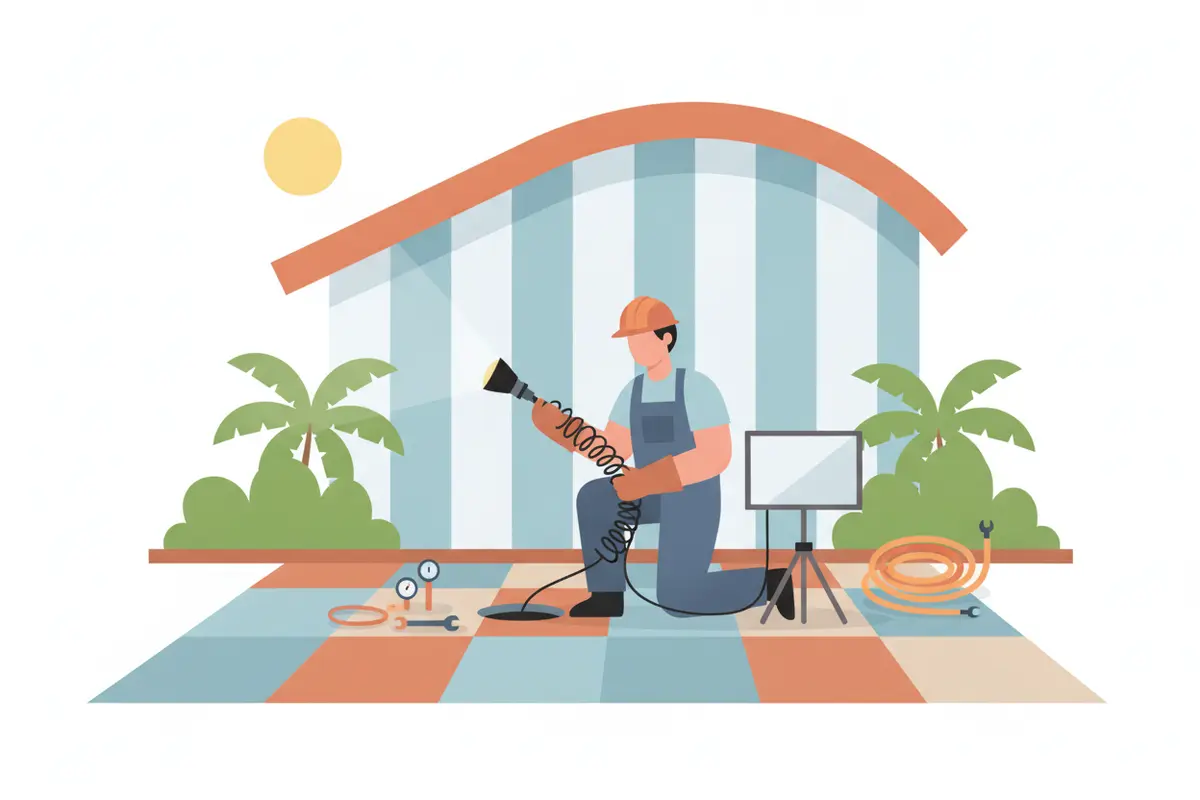
Direct excavation may be practical when the pipe’s location, condition, configuration, or access needs make a trenchless method unsuitable. It may also be the clearest way to expose a specific connection or section that needs direct attention. Excavation is not automatically the inferior choice. The useful question is whether the plan addresses the confirmed failure and whether the property owner understands the access and restoration work.
Consider a line with a route that is not yet well established. A proposal based on direct access may allow the work team to expose and assess the relevant section, while a trenchless approach may require a reliable understanding of pipe layout and entry points. Or consider a known line beneath a broad paved area: the extent of excavation and the feasibility of a trenchless alternative deserve explicit comparison. These examples do not determine the answer; they show why site details matter.
For excavation, ask how wide and deep the work area is expected to be, what nearby utilities or structures need consideration, and how the trench will be secured and backfilled. Ask which restoration items are included, such as surface repair or landscape replacement, and which are not. For trenchless work, ask similar questions about entry and exit areas, equipment access, connections, and restoration. Comparing the same categories makes the proposals more meaningful.
Which conditions shape the recommendation?
- Pipe material and condition: Existing material, damage, and configuration can affect which repair or replacement methods are feasible.
- Route and depth: Bends, connections, depth, and nearby utilities can change access and equipment requirements.
- Problem location: Confirming whether the issue is a leak, break, or another condition helps define the work area and objective.
- Surface above the pipe: Driveways, planting beds, walls, and walkways influence the disruption and restoration comparison.
- Property use: A residence, business, facility, or municipal property may have different access and coordination needs.
- Service continuity: Ask what interruption to water service may be needed and how the work will be coordinated.
- Restoration scope: Compare all related work, not only the pipe installation or repair itself.
Diagnosis comes before choosing between methods. Depending on the system and access, camera inspection may help assess certain pipe conditions, while leak detection and other testing may help locate a water-line problem. Not every diagnostic technique applies to every water line. Pipe Surgeons describes water line services and leak detection services for property owners seeking to understand the next step.
How should you compare costs and proposals?
There is no reliable universal price comparison between trenchless and excavation-based work. The quote depends on the confirmed work area, access, equipment, pipe conditions, complexity, and restoration needs. A method that reduces disturbance to a finished surface may change the restoration scope, but specialized equipment and site constraints also matter. Ask for a project-specific written estimate rather than relying on a generic cost claim.
Use a simple like-for-like review. Put each proposal side by side and check whether it describes the same pipe length or section, the same repair or replacement goal, similar diagnostic work, comparable connections, and a clear restoration boundary. Then note assumptions, exclusions, and possible changes if concealed conditions differ from what was observed.
- Confirm the problem and route. Ask what observations or testing establish the location and extent of the issue.
- Write down the objective. Identify whether the proposal is for a localized repair, rehabilitation, or replacement.
- Compare access plans. Note excavation areas, access points, equipment placement, and any restrictions.
- Review the full work scope. Check pipe work, connections, testing, backfill, and restoration responsibilities.
- Ask about service interruption. Clarify when water may need to be shut off and what coordination is expected.
- Identify unknowns. Ask what site findings could change the scope, schedule, or quote, and how approval would be handled.
Pipe Surgeons uses a quote-based approach; request an explanation of cost variables and included work. Its pipe repair and inspection services page provides a useful starting point for a service conversation. When reviewing company information, the about page describes Pipe Surgeons’ specialty focus and background.
How can you prepare for an assessment?
A little preparation can help make the site discussion more specific. Record when the symptoms began, how they have changed, and what parts of the property are affected. If you have previous repair notes, utility plans, or a property diagram, make them available while noting that drawings may not show the exact current route.
- Point out visible wet areas, changes in water service, and any patterns you have noticed.
- Identify the suspected route if known, along with paving, landscaping, walls, and nearby utilities.
- Share past repair records or site plans, but ask how the route will be confirmed.
- Discuss access constraints, operating hours, tenants, customers, or other site users who may need coordination.
- Ask what diagnostic work is appropriate and what it can establish.
- Request a written recommendation that names the method, work area, restoration responsibilities, and exclusions.
If the property is in the company’s service territory, review the service area information before arranging a conversation. For owners comparing the financial scope of a project, the company also has information about financing options; ask directly which terms, if any, apply to the specific work.
What should you ask before approving work?
Before authorizing a project, make sure the recommendation is understandable and tied to the findings. These questions can help:
- What evidence confirms the problem location and pipe condition?
- Is the plan a repair, rehabilitation, or full replacement, and why?
- Which method is proposed, and what conditions make it suitable for this pipe?
- Where will crews need access, and which surfaces could be disturbed?
- What restoration is included, and what remains separate?
- How will water service be affected, and what coordination is needed?
- What assumptions or unknowns could change the work scope or quote?
- What testing or confirmation will show that the completed work addresses the planned scope?
Keep the answer in writing alongside the proposal. That makes it easier to compare options, share details with other decision-makers, and revisit what was agreed if site conditions require a change. For broader examples of how pipe work differs by property, review the company’s information for residential pipe services and commercial pipe services.
How do sample property situations change the comparison?
Consider a home where the suspected line crosses a paved driveway and the route is reasonably established. The owner may value limiting disturbance to the paving, so it is sensible to ask whether a trenchless replacement method can work with the pipe and access available. The assessment still needs to account for entry points, connections, nearby utilities, and any patching or other surface work. A proposal should describe the actual footprint rather than promise that the driveway will be untouched.
Now consider a property with a leak whose precise location is uncertain. Before choosing a replacement method, the owner needs a plan to narrow down the problem and establish what portion of the line is affected. If the issue turns out to be localized, the appropriate scope may differ from a full-line replacement. If the pipe route or condition does not support a trenchless technique, direct exposure may be the more workable route. The crucial step is connecting diagnosis to scope rather than assuming that one visible symptom proves the entire line needs replacement.
A facility team may weigh access and water-service coordination differently from a homeowner. Work near entrances, tenant areas, deliveries, or operating equipment may call for scheduling and communication as part of the plan. The team should identify who needs notice, what areas require access, and whether service interruption must be coordinated. Those considerations do not dictate a particular technology, but they belong in the comparison because they affect how the work fits the property’s use.
Across all three examples, the decision follows the same sequence: establish the problem, confirm the pipe and route as far as the assessment allows, define the desired scope, then compare suitable methods and restoration needs. This sequence keeps preference—such as minimizing excavation—in view without letting it replace technical fit.
Frequently asked questions
Does trenchless mean there will be no digging?
No. Trenchless methods aim to reduce excavation, but crews still need access and work areas. The number and size of openings depend on the technique, pipe route, and site.
Is trenchless replacement always less expensive?
No. The total depends on the pipe, access, equipment, complexity, and restoration scope. Compare written proposals with equivalent work rather than assuming the method name predicts the price.
Can I choose a method before the line is assessed?
You can explain your priorities, such as limiting disruption to a driveway or landscape. The final recommendation should still reflect the pipe route, condition, access, and the work needed to address the problem.
What if trenchless work is not suitable?
Ask the specialist to explain which condition makes it unsuitable and describe the alternative, including the expected excavation area and restoration plan. A useful recommendation connects the method to site findings.
Does every water line need the same type of inspection?
No. The appropriate diagnostic approach depends on the system, the suspected problem, and what access is available. Ask what each proposed test can establish and how its results will shape the recommendation.
Request a water line assessment
The best choice is the approach that fits the confirmed pipe condition, property, and complete work scope. A careful assessment and written comparison help you plan the next step with realistic expectations.
As general context, this article on trenchless sewer repairs discusses trenchless versus traditional approaches for sewer work; sewer conditions and methods are not automatically the same as those for water lines. Use it only as broad context, and rely on a site-specific water-line assessment for your decision.