When your air conditioner sputters and dies in the middle of a South Florida summer, the silence is almost as stressful as the heat. Your first instinct is to call for help, but what kind of help do you need? A water leak near your indoor unit is a classic sign of trouble, but it’s not always just an AC problem. It could be a clogged condensate line, or it might point to a deeper issue within your home’s drainage system. Understanding the source is critical. This guide will help you determine when you need urgent ac repair and when the problem might require a specialist with expertise in leak detection and drains, saving you from a quick fix that doesn’t solve the real issue.
Key Takeaways
- Know When to Make the Call: While some AC issues can wait for a scheduled appointment, a major water leak is an emergency. Learning to distinguish a minor clog from a serious failure helps you act fast to prevent costly water damage to your home.
- Choose Your Repair Service Wisely: In an emergency, don't just call the first number you find. Look for a company that offers 24/7 availability, provides clear, upfront pricing before work begins, and holds the right licenses and certifications to protect you and your home.
- Prevention is Simpler Than Repair: You can avoid most surprise breakdowns with consistent maintenance. Simple habits like changing your air filters, scheduling biannual professional tune-ups, and paying attention to early warning signs like musty odors will keep your system reliable.
Is Your AC Broken or Just Overworked?
When the Florida sun is relentless, your air conditioner works overtime to keep you comfortable. But when it starts acting up, it’s hard to know what’s a real emergency and what’s just a sign of strain. An overworked AC might struggle to keep up on the hottest days, but a broken one can fail completely, leaving you in the heat and potentially causing damage to your home. One of the most common and confusing signs of trouble is a water leak. Is it a simple AC issue, or could it point to a bigger problem with your home's drainage system?
As experts in finding and fixing leaks, we know that water rarely stays where it's supposed to. An AC leak could be from a clogged condensate line, but it could also be related to plumbing issues nearby that are only now becoming obvious. The key is figuring out the source and the severity. A small puddle might seem harmless, but ignoring it can lead to mold growth, wood rot, and even structural damage over time. Understanding the difference between a minor hiccup and a major failure can save you time, money, and a lot of stress. This guide will help you identify what needs immediate action and what can wait for a scheduled appointment.
Signs You Need Emergency AC Repair
Some AC problems are too serious to ignore, especially when they involve water. If you notice any of these red flags, it’s time to call for help right away. A burning smell, for instance, could signal a dangerous electrical problem, and you should turn the unit off immediately. Loud, unusual noises like grinding or squealing often mean a mechanical part is broken. Of course, if your system is blowing warm air or no air at all, it’s a clear sign of failure. A major water leak is also an emergency. While some condensation is normal, a large puddle or steady stream of water needs immediate attention. This water can damage your floors, walls, and foundation, so you may need professional leak detection services to assess the problem and prevent lasting damage.
Problems That Can Wait for a Service Call
Not every AC issue requires an emergency visit. Some problems are signs that your system needs attention, but you can likely schedule a service call for the next business day without risking major damage. For example, if some rooms are colder than others, it might be a ductwork or sensor issue. An AC that runs constantly but still cools your home is inefficient but not necessarily an emergency. Minor dripping near the indoor unit often points to a clogged condensate drain line. While it needs to be addressed to prevent water damage and mold, clearing your drain services can often wait for a scheduled appointment. Ignoring it, however, can turn a small drip into a major headache down the road.
What to Expect from an Urgent AC Service Call
When your AC gives out, especially in the Florida heat, calling for emergency service can feel stressful. You’re hot, worried about costs, and just want a solution. Knowing what the repair process looks like can help ease some of that anxiety. Once the technician arrives, they’ll follow a methodical process to figure out what’s wrong and explain your options clearly. You can expect a professional to diagnose the issue, let you know if it can be fixed on the spot, and give you honest advice if a bigger decision, like a full replacement, is on the table.
How Technicians Diagnose the Problem
The first thing a technician will do is listen. Be ready to describe the problem in as much detail as you can. Did you hear strange noises like grinding or banging? Are there bad smells, or is the unit simply not cooling? Your description provides the first clues. From there, they’ll begin a hands-on inspection of both your indoor and outdoor units. They are trained to identify a wide range of issues, from simple thermostat malfunctions and weak airflow to more complex problems like refrigerant leaks or a failing compressor. A thorough diagnostic process is key to finding the root cause, ensuring the right fix is applied and preventing a repeat call in a few days.
Common On-the-Spot AC Fixes
The good news is that many AC emergencies can be resolved in a single visit. Experienced technicians arrive with service vehicles stocked with the parts needed for the most frequent repairs. This means you likely won't have to wait days for a part to be ordered while you suffer in the heat. Common issues that can often be fixed immediately include replacing a faulty capacitor (a frequent problem in hot climates), cleaning a clogged drain line that’s causing a water leak, or fixing minor electrical connection issues. Because they carry common parts for most major brands, technicians can often get your system back up and running much faster than you might expect.
Knowing When It's Time for a Full Replacement
Sometimes, a repair isn't the most sensible option. If your technician brings up replacement, it’s usually for a good reason. A helpful rule of thumb is to consider the age of your unit and the cost of the repair. One industry guideline suggests that if the repair cost multiplied by the unit's age in years exceeds $5,000, it’s time to think about a new system. For example, a $400 repair on a 15-year-old unit ($400 x 15 = $6,000) would suggest replacement is the smarter financial choice. An AC unit that is over 12 years old and requires frequent, expensive repairs is often a candidate for replacement.
Your AC Died. Now What?
That moment of silence when your air conditioner gives out is a uniquely stressful experience, especially here in South Florida. Before you panic, take a deep breath. While the problem could be mechanical, it’s often related to something as simple as a clog causing water to back up and shut the system down. Whatever the cause, a few immediate actions can prevent further damage and keep you safe while you wait for a professional to arrive. Taking control of the situation starts with a few simple, deliberate steps.
First Steps to Take Before Your Technician Arrives
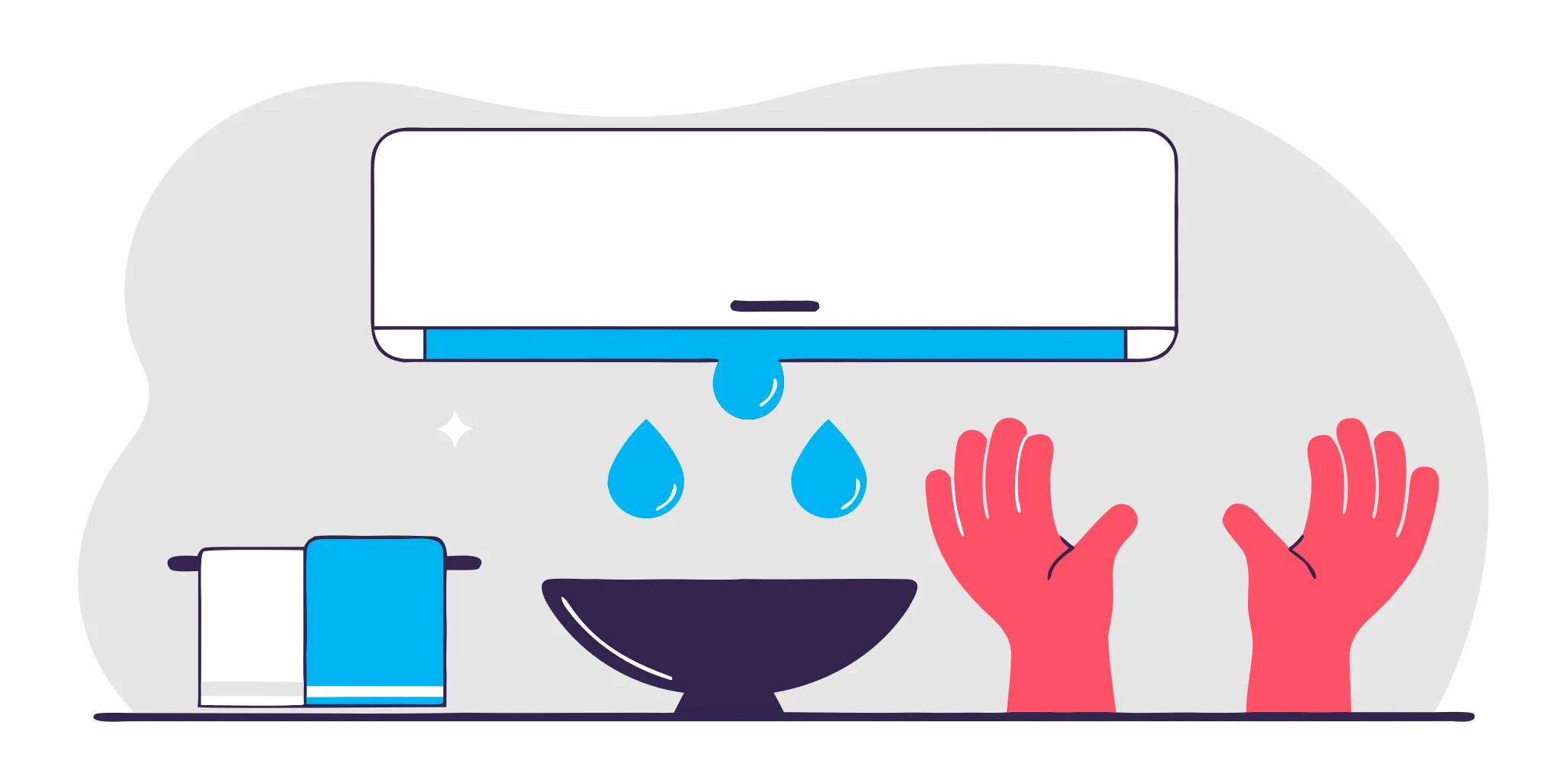
First things first, turn your AC unit off at the thermostat. If you notice a burning smell, strange noises, or ice forming on the coils, it’s also a good idea to shut it off at the circuit breaker. This simple action can prevent a small problem from turning into a catastrophic failure. If you see water pooling around your indoor unit, you’re likely dealing with a clogged condensate drain line. This is more than just a minor inconvenience; it can lead to water damage and mold growth. While you wait for help, you can clear the area and place towels to absorb the moisture. A professional can use advanced leak detection methods to pinpoint the exact source of the issue.
How to Stay Cool and Safe While You Wait
With the Florida sun beating down, a broken AC is more than a comfort issue; it’s a serious health concern, particularly for children, pets, and older family members. Your priority is to keep your home’s temperature from rising to dangerous levels. Start by closing all your blinds and curtains to block out sunlight. Use ceiling fans and portable fans to create airflow, which helps your body cool itself through evaporation. Stay hydrated by drinking plenty of water, and avoid using heat-generating appliances like the oven or clothes dryer. If the indoor temperature becomes unsafe, it’s best to temporarily relocate to a friend’s house or a local cooling center until your system is back up and running. Getting your home’s essential systems, including its drain services, working properly is key to restoring your comfort and safety.
What Will Urgent AC Repair Cost?
When your AC gives out, especially during a South Florida heatwave, your first thought is probably, "How fast can someone fix this?" Your second thought is likely, "How much is this going to cost me?" The price of an urgent AC repair isn't set in stone, but understanding the potential costs can help you feel more in control. The final bill depends on the nature of the problem, the parts required, and the time of your service call. Let's break down what you can expect so you can make an informed decision without the added stress of financial surprises.
Typical Costs for Common AC Repairs
It’s helpful to have a ballpark figure in mind. Most minor to moderate AC repairs, like fixing a faulty thermostat or clearing a clogged drain line, can cost anywhere from $100 to $500. A clogged condensate drain is a frequent issue in our humid climate and a common source of water leaks. If not addressed, this seemingly small problem can lead to significant water damage that requires professional leak detection services.
More complex problems will naturally come with a higher price tag. For instance, sourcing and fixing a refrigerant leak can be more involved. Major component failures are at the top end of the cost spectrum. If your AC’s compressor or evaporator coil fails, the replacement could cost you $1,500 or more. Always remember that these are just estimates, and a qualified technician will give you a precise quote after diagnosing the issue.
Factors That Influence the Final Bill
Several key factors determine the final price of your AC repair. The most obvious is the specific part that needs to be fixed or replaced. A simple capacitor is much less expensive than a new compressor motor. The age and model of your AC unit also play a significant role; parts for older or less common units can be harder to find and more costly.
The complexity of the repair also affects the labor cost. A straightforward fix that takes an hour will cost less than a job that requires several hours of detailed work. Finally, if the technician discovers that your unit is too old or damaged for a cost-effective repair, they may suggest a full replacement, which is a different financial conversation altogether.
Understanding After-Hours and Emergency Fees
When your air conditioner quits on a Saturday night, you can’t wait until Monday morning for a repair. Service companies understand that a broken AC in Florida is a real emergency. Many offer 24/7 service, but this convenience comes at a price. Expect to pay an emergency service fee or a higher hourly rate for any calls made after normal business hours, on weekends, or during holidays. This premium covers the cost of having technicians on standby. To avoid any surprises on your bill, always ask about after-hours fees when you first call to schedule your emergency service.
Does Your Warranty Cover Emergency Repairs?
Your warranty can be a lifesaver, but it's important to know exactly what it covers before you need it. Most manufacturer warranties cover the cost of replacement parts, but they often exclude the labor needed to install them. This is a critical detail, as labor can be a substantial part of the final bill. Furthermore, some warranties have specific stipulations about who can perform the repair and whether emergency service calls are covered. Before you call for service, take a moment to locate your warranty paperwork. Reading the fine print will help you understand your coverage and prevent potential disputes over repair costs.
How to Choose a Trustworthy AC Repair Service
When your AC gives out, the last thing you want is the added stress of vetting repair companies. You need someone reliable, and you need them now. In an emergency, it’s easy to make a rushed decision you might regret later. To help you choose wisely, even under pressure, you can focus on a few key signs of a trustworthy professional. Here’s what to look for to find a great AC repair service you can count on when things heat up.
Look for These Certifications and Licenses
When you invite a technician into your home, you need to know they are qualified and trustworthy. Start by checking if the company’s technicians are NATE-certified. NATE (North American Technician Excellence) is the gold standard, indicating a technician has proven, real-world knowledge of HVAC systems. A reputable company will also be fully licensed and insured. This is non-negotiable, as it protects you from any liability if an accident happens on your property. Many professional services also perform background checks on their employees, giving you extra peace of mind about who is working in your home.
The Importance of 24/7 Availability
Air conditioners rarely break down at a convenient time. More often than not, they fail during a sweltering holiday weekend or in the middle of the night. That’s why finding a service that offers 24/7 emergency availability is so important. A company that provides round-the-clock repairs can address your problem quickly, restoring comfort and preventing minor issues from turning into major ones. Knowing you have a go-to service that will answer your call anytime gives you a critical safety net, especially during the intense heat of a Florida summer.
Why You Need Transparent Pricing
A surprise bill is the last thing you need when you’re already dealing with a broken AC. A hallmark of an honest company is transparent, upfront pricing. Before any work begins, the technician should provide you with a clear, detailed estimate for the repair. This allows you to approve the cost before you commit, so you know exactly what to expect. If a company is vague about costs or won’t provide a fixed price quote, consider it a red flag. Always ask for an itemized estimate in writing to ensure there are no misunderstandings later on.
Red Flags to Avoid in an AC Company
While you’re looking for green flags like certifications and clear pricing, you also need to watch out for red ones. Be cautious of companies with vague or confusing warranty policies. In South Florida, it’s common for a warranty to cover parts but not the labor to install them, which can lead to unexpected costs. Before you agree to a repair, ask for the warranty details in writing and make sure you understand who is responsible for what. You can also check a company's reputation with the Better Business Bureau to see if they have a history of unresolved customer complaints.
Repair or Replace? Making the Smart Choice
When your AC stops working, the immediate question is always, "Can we fix this, or do I need a whole new one?" It’s a tough spot to be in, balancing the urgent need for cool air against a major financial decision. The right answer depends on a few key things: the age of your unit, the cost of the repair, and your long-term budget. Thinking through these factors helps you move past the immediate stress and make a choice that’s best for your home and your wallet, not just for today but for years to come.
Consider the Age of Your AC Unit
The age of your air conditioner is one of the clearest indicators for this decision. Generally, if your AC unit is over 12 years old, replacement becomes the smarter option. As systems age, they become less efficient and more prone to breaking down. Plus, older models often use refrigerants like R-22 that are being phased out, making repairs more expensive and difficult. Investing in a major repair for an aging unit can feel like a short-term fix for a long-term problem. A new system, while a bigger initial investment, offers a full warranty and improved energy efficiency. Modern units can significantly lower your monthly utility bills and save you money over their lifespan.
When Repairs Cost More Than a New System
A good rule of thumb can help you weigh the cost of a repair against the price of a new unit. Many technicians use a simple calculation: if the cost of the repair multiplied by the unit's age in years is more than $5,000, it’s probably time to replace it. For example, if you have a 10-year-old unit and the repair estimate is $600, the calculation would be 10 x 600 = $6,000. Since that’s over the $5,000 threshold, replacement is the more financially sound decision. This guideline prevents you from sinking money into an old system that may only break down again next season. It helps you invest wisely in your home's comfort and avoid future headaches by properly maintaining your air conditioner.
How to Prevent Your Next AC Emergency
Dealing with an AC emergency, especially one involving a water leak, is stressful. The good news is that you can often prevent these situations with a little proactive care. Staying on top of maintenance not only keeps your system running efficiently in the South Florida heat but also protects your home from the costly water damage that a sudden leak can cause. Think of it as a small investment of your time that pays off big by helping you avoid a major headache down the road.
A reliable air conditioner is a necessity here, not a luxury. When your system is overworked and under-maintained, it’s far more likely to fail when you need it most. Simple tasks like changing your air filter and keeping components clean can make a world of difference. By incorporating a few key habits into your home maintenance routine, you can ensure your AC is ready to handle the heat and humidity, keeping you cool and your home dry. Let’s walk through the most effective steps you can take to prevent your next AC emergency.
Change Your Air Filters Regularly
One of the simplest yet most critical tasks is changing your air filters. When a filter gets clogged with dust and debris, it restricts airflow. This forces your entire system to work much harder to cool your home, increasing strain on its components. More importantly for leak prevention, poor airflow can cause the evaporator coil to get too cold and form condensation. If the coil gets icy and then thaws, the sudden rush of water can easily overwhelm the drain pan and spill out, leading to a leak. Check your filter monthly and plan to replace it every 1 to 3 months to keep air moving freely.
Schedule Professional Tune-Ups Twice a Year
While changing filters is a great DIY task, nothing replaces a professional inspection. We recommend scheduling AC maintenance twice a year, especially before the peak cooling season begins. In South Florida, that sweet spot is typically from March through May. During a tune-up, a technician can spot and fix issues you might not see, like a partially clogged condensate drain line that’s just waiting to back up. They will clean critical parts, check refrigerant levels, and test electrical components to ensure everything is working safely and efficiently. This preventative check is your best defense against unexpected breakdowns and leaks.
Keep Your Coils Clean
Your AC unit has two sets of coils, the evaporator coil inside and the condenser coil outside, that are essential for the cooling process. Over time, these coils get covered in a layer of dirt, dust, and grime. This buildup acts like an insulator, making it harder for your system to absorb heat from your home and release it outside. When the evaporator coil can’t absorb heat properly, it can freeze over. As the ice melts, it creates more water than the drain system can handle, causing a leak. Professional maintenance includes a thorough coil cleaning, which improves efficiency and prevents this common cause of water damage.
Catch Early Warning Signs Before They Escalate
Your AC will often give you subtle hints that something is wrong before it fails completely. Being proactive and paying attention to these signs can help you address an issue before it becomes an emergency. If you notice musty odors coming from your vents, see small puddles near the indoor unit, or spot new water stains on your ceiling, don't ignore them. These are classic indicators of a drainage problem. If you suspect a hidden leak, it's wise to call for a professional leak detection service to find the source. Addressing these early warnings promptly can save you from a major repair and significant water damage.
Related Articles
- Leak Detection Services in Florida with Pipe Surgeons
- Tips on Preventing Further Leak Damage - Pipe Surgeons
- Florida Leak Detection and Repair - Pipe Surgeons
- The Areas Most Prone To Leaks - Pipe Surgeons
- How Leak Detection & Water Pipe Repairs Help Keep Floors In South Florida Homes From Being Torn Up - Pipe Surgeons
Frequently Asked Questions
My AC is leaking water. How do I know if it's a simple AC problem or something more serious with my plumbing? A leaking AC is most often caused by a clogged condensate drain line, which is a straightforward fix. However, if the leak is substantial, seems to be coming from a wall, or if you’ve noticed other slow drains in your home, it could point to a larger issue within your home's drainage system. The best first step is to turn the unit off to prevent further water flow. Then, call a professional who can properly diagnose the source. An expert can determine if it's just the AC or if a more thorough leak detection is needed to protect your home from hidden water damage.
What's the most important thing I can do to prevent my AC from breaking down in the middle of summer? The most effective strategy is a combination of two simple habits. First, change your air filter regularly, about every one to three months. A clogged filter makes your system work much harder and can lead to it freezing up and leaking. Second, schedule a professional tune-up once a year, ideally in the spring before the heat really kicks in. A technician can clean essential parts and catch small problems, like a partially blocked drain line, before they turn into a full-blown emergency.
I'm worried about being overcharged for an emergency repair. How can I make sure the price is fair? This is a completely valid concern. The key to avoiding surprises is to work with a company that believes in transparent pricing. Before you agree to any work, the technician should provide you with a clear, written estimate that details the parts and labor costs. Don't hesitate to ask questions if something isn't clear. A trustworthy professional will be happy to explain the charges. Also, when you first call, remember to ask about any after-hours or emergency fees so you know what to expect from the start.
Is the '$5,000 rule' the only thing to consider when deciding whether to repair or replace my AC? That rule is an excellent guideline to help you make a logical financial decision, but it isn't the only factor. You should also consider your unit's recent history. If you've already paid for several repairs over the last couple of years, it might be time to stop sinking money into an unreliable system. Also, pay attention to your energy bills. An older, inefficient unit can cost you a lot more to run than a new one, so a replacement could lead to significant monthly savings that help offset the initial investment.
Besides turning the AC off, what's the most critical step if I see a major water leak from my unit? After you shut the system off at the thermostat and circuit breaker, your next priority is to manage the water and prevent damage to your home. Use old towels or rags to soak up any water that has already pooled on the floor. If the leak is still dripping, place a bucket or a shallow pan underneath it to catch the water. Protecting your floors, baseboards, and drywall from water damage is a critical step that can save you from much more expensive repairs later on.