
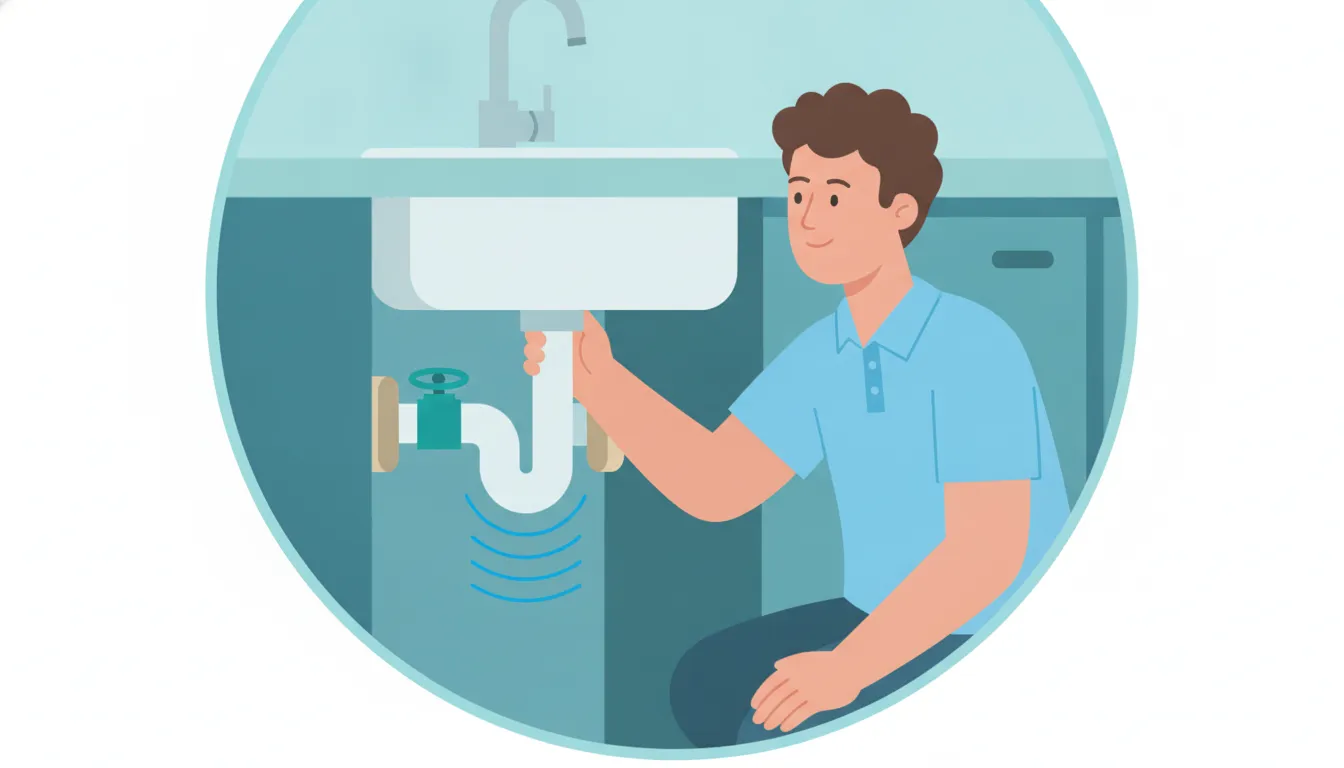
A single bang after a faucet closes may be ordinary fixture noise, but a repeated thump, vibration, or pulse can point to a sudden change in water flow and pressure. The timing, location, and whether several fixtures trigger the sound can help narrow the possibilities. They cannot confirm a hidden pipe fault on their own.
A water hammer pulse is a short pressure surge created when moving water changes speed or direction quickly. The resulting shock wave can travel through a confined water system and sound like a bang or thump. The University of Florida IFAS explains that rapid flow changes produce these shock waves: read the technical reference.
Understanding what happens inside the line makes it easier to separate a flow-related event from a loose support, pressure concern, leak symptom, or routine fixture sound.
What Is a Water Hammer Pulse in a House?
TL;DR: A plumbing water hammer pulse is a brief pressure event caused by a sudden change in water flow. The resulting shock wave can make a pipe bang, thump, vibrate, or feel as if a pulse is moving through the line.
In a house, water is normally moving through a connected, confined network of supply pipes. When that movement stops or changes abruptly, the energy of the flowing water is transformed into pressure at the point of change. That pressure travels through the water and pipe, sometimes producing a sharp sound or noticeable movement.
The word "pulse" describes the short-lived sensation of the event. A homeowner might hear one bang when a faucet, toilet valve, washing machine valve, or other fixture shuts quickly. In other cases, the pulse may feel like a tremor in the wall, cabinet, or nearby pipe. The sound can seem to come from a different location because the pressure wave travels through the connected system.
Water is slightly compressible. That property allows shock waves to form and propagate through a confined water system, rather than having the flow stop without any pressure response. The University of Florida's IFAS guidance describes these shock waves after a sudden flow change as "water hammer" and explains that the resulting excess pressure is called surge pressure. Read the UF/IFAS explanation of water hammer.
This plumbing meaning is separate from the unrelated medical results that can appear when someone searches for "water hammer pulse." In this article, the phrase refers only to a water-supply pressure event inside a building. It does not describe a symptom, diagnosis, or treatment related to a person's body.
A single noise does not prove which component caused the pressure change or whether a hidden pipe issue exists. Timing, location, fixture use, pressure behavior, pipe supports, and the condition of the water line all matter. If the pulse repeats, grows louder, occurs at several fixtures, or appears alongside moisture or pressure changes, a professional assessment can help distinguish water hammer from another plumbing problem.
What Causes a Water Hammer Pulse?
TL;DR: A water hammer pulse begins when water flow changes too quickly. Fast-closing valves, pump starts or stops, sharp directional changes, high pressure, and waterlogged air chambers can all contribute. The faster the velocity changes, the more intense the resulting surge may be.
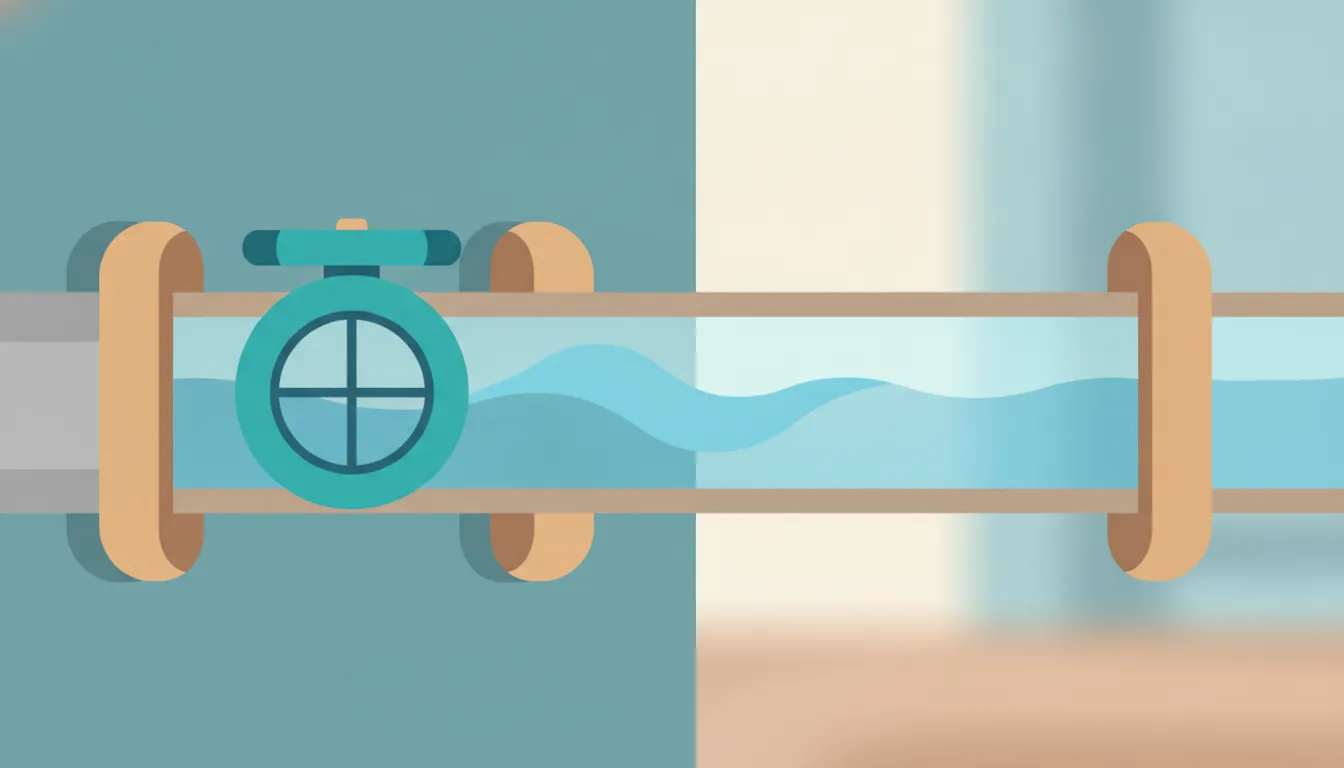
Inside a filled pipe, moving water has momentum. When a valve closes or another component changes the flow abruptly, that energy is converted into pressure at the point of change. The pressure disturbance travels through the confined water and may be heard or felt as a bang, thump, vibration, or brief pulse. The University of Florida IFAS describes this mechanism as shock waves that propagate after a sudden change in flow.
Fast-closing valves and fixture controls
A faucet, appliance valve, or quarter-turn control that stops flow quickly can create the event. The faster the valve position changes, the less time the moving water has to slow down, so the pressure change is more abrupt. This is why a pulse may occur immediately after a fixture shuts off rather than while it is running.
Pumps and changes in direction
Starting or stopping a pump can produce a sudden change in flow, especially when the pump serves a long or confined water line. Pipe fittings that redirect water can also contribute because the flow's direction and momentum change at the fitting. The underlying issue is not a single universal component. It is the speed and size of the flow change within the particular system.
Pressure, air chambers, and velocity-change rate
Higher water pressure can make banging more noticeable or increase the consequences of a sudden stop. High water pressure or an air chamber that has filled with water may make a pressure change more noticeable. An air chamber that no longer cushions the change can contribute to banging, but that condition should not be assumed from sound alone.
Intensity also depends on how quickly velocity or momentum changes. A larger, faster change generally creates greater surge pressure, according to UF/IFAS. Pipe material, wall thickness, temperature, supports, and the location of the change affect how that surge is transmitted. So the same noise does not prove the same fault in every home. Avoid making unsourced pressure adjustments based on sound alone. If the pulse is repeated, worsening, or accompanied by movement or moisture, arrange a qualified assessment. Professional diagnosis is appropriate when internal pipe noise persists.
Which Clues Help You Narrow Down the Cause?
TL;DR: Timing, location, and whether other fixtures react can help organize the symptoms, but they cannot confirm a hidden pipe fault. A water hammer pulse may be influenced by the pipe's material, wall thickness, and temperature, so the same sound can have different causes in different homes.
Note what happens immediately before the noise and where you feel it. A bang that follows one faucet closing points toward a local flow change. A pulse that appears when a washing machine, dishwasher, pump, or another fixture starts or stops may involve a larger part of the water system. The pattern is useful evidence, not a diagnosis.
| What you notice | What it may suggest | Why it still needs confirmation |
|---|---|---|
| A single bang occurs as one faucet or fixture shuts off. | A rapid valve change or a nearby pipe-support issue may be involved. | The sound may travel through connected lines, and the loudest location may not be the source. |
| Several fixtures trigger a pulse, or the noise follows a pump cycle. | A pressure or flow change affecting more of the water system is possible. | Fixture timing alone cannot show whether the issue is local, system-wide, or intermittent. |
| You feel vibration in a wall, cabinet, floor, or exposed water line. | Movement, pipe supports, fittings, or surge pressure may be contributing. | Pipe material, wall thickness, and temperature affect how a line responds to surge pressure. |
| The pulse occurs with visible moisture, a pressure change, or a fixture that behaves differently. | A leak or water-pressure problem deserves attention alongside the noise. | Noise cannot confirm a leak. Professional testing and inspection may be needed to separate symptoms. |
Pipe Surgeons provides water-pressure and water-line services for pressure symptoms. When the pattern suggests a line condition, pipeline inspection can help assess water lines for issues such as leaks, offsets, or corrosion. Record the fixture, timing, location, and any moisture before requesting an assessment.
How Can You Tell Water Hammer From a Leak or Pressure Problem?
TL;DR: A water hammer pulse is usually brief and closely tied to a valve, fixture, pump, or sudden change in water flow. A hidden leak is more likely to produce ongoing moisture, unexplained water use, staining, or a drop in pressure. High or low pressure affects how fixtures perform, while sewer or drain problems more often cause bubbling, gurgling, slow drainage, odors, or backups. These clues can narrow the possibilities, but they cannot confirm a concealed pipe fault by themselves.
Timing is one of the most useful distinctions. If a sharp bang, thump, or vibration happens immediately after a toilet refills, a faucet closes. Or an appliance stops drawing water, the event may involve a rapid flow change. Water hammer occurs when that change creates pressure waves in a confined water system. The intensity depends partly on how quickly water velocity changes and on the pipe's material and construction, so the same fixture may sound different in different homes. The University of Florida explains the mechanism in its water-hammer guidance.
A leak does not require a bang. Look for persistent dampness, ceiling or wall staining, a warm or wet floor, unexplained water use, or pressure that gradually declines. A slab leak can be especially difficult to locate because the source may be concealed beneath the structure. Review the signs in this guide to hidden plumbing leaks, then use professional leak detection when the evidence points beyond a visible fixture.
Pressure problems can overlap with hammer symptoms. High pressure may make fixtures noisy or intensify a pulse, while low pressure may appear as weak flow at one or several fixtures. If several outlets change behavior together, the issue may belong to the water supply or pressure-control system rather than one loose fixture. Pipe Surgeons provides water-line services and water-pressure diagnosis.
Drain and sewer symptoms usually follow a different pattern. Bubbling, gurgling, slow drainage, recurring backups, or foul odors point toward a drainage or sewer concern, especially when multiple drains are affected. A single brief bang after a valve closes does not establish a sewer problem. If sound is accompanied by moisture, movement, pressure changes, or drainage symptoms, an inspection can separate overlapping causes before a repair is chosen.
When Should You Call for a Pipe Inspection?
TL;DR: Ask for a professional inspection when a water hammer pulse repeats, worsens, affects more than one fixture, or appears alongside movement, moisture, pressure changes, or an unknown source. The sound alone cannot confirm which component is responsible.
A single brief bang after a valve closes may be worth documenting, but recurring noise deserves more attention. Sudden flow changes can create surge pressure, and the way a pipe responds depends on factors such as its material, wall thickness, and temperature. A qualified evaluation can separate a likely pressure or support issue from a hidden water-line condition without turning a symptom into a diagnosis.
Inspection does not guarantee that a camera or a particular test will be used. The appropriate approach depends on what the observations and initial checks show, so the goal is a supported diagnosis and a durable next step.
How Is a Water Hammer Problem Evaluated?
TL;DR: A professional evaluation connects the timing, location, and intensity of the noise with pressure readings, fixture operation, valve behavior, pipe supports, and targeted inspection. The sound alone cannot identify a hidden fault.
Evaluation starts with the symptom history. Note which fixture or appliance was operating, whether the pulse happened when water started or stopped, how many times it occurred, and where the vibration seemed strongest. A single bang at one faucet points the investigation in a different direction than pulsing heard across several fixtures. This history also helps distinguish a water-hammer event from ongoing moisture, drainage symptoms, or ordinary fixture noise.
Next, the technician checks water pressure under relevant operating conditions. Pressure that changes sharply when a valve closes can support a surge-related explanation, while unusual readings may point to a broader pressure problem. Pipe material, wall thickness, and temperature also affect how a line responds to surge pressure, so the same symptom can behave differently in different systems. The water services team can assess pressure-related concerns without assuming the repair before the cause is established.
Fixture and valve timing matters. The evaluator may compare the response at the suspected fixture with other valves, appliances, or pumps, then review whether a component closes rapidly. They also inspect accessible pipe supports and nearby connections for movement, contact, or conditions that could amplify vibration. These observations narrow the source but do not prove that an inaccessible pipe is sound.
If the history and pressure checks indicate a broader water-line concern, targeted pipeline inspection may help assess accessible evidence such as leaks, offsets, or corrosion. This is distinct from hydrostatic line testing, which is a separate testing topic, not a default water-hammer diagnosis. The appropriate next step depends on the findings.
Can You Prevent Water Hammer From Returning?
TL;DR: Prevention usually means reducing abrupt flow changes, keeping pipes and components properly supported, and correcting pressure or sizing issues identified during a professional assessment.
A lasting solution starts with the event that triggers the pulse. Water hammer is associated with a sudden change in flow, and larger or faster changes in velocity can produce greater surge pressure. That makes gradual operation important. Valves, fixtures, and other controls should open and close in a way that does not abruptly stop the water column when the system design allows it.
The physical installation matters as well. Loose or poorly supported piping can move when pressure changes, turning a hydraulic event into a noticeable bang, vibration, or repeated impact. A qualified professional can review pipe supports and the condition of connected components rather than assuming that the loudest point is the source.
Component sizing and compatibility also deserve attention. Valves, pumps, pipe dimensions, and related controls need to suit the system. An undersized or poorly matched component can contribute to unreliable operation and may increase stress on the surrounding plumbing. The appropriate correction depends on the layout, materials, fixture behavior, and history of the problem.
Pressure regulation may be part of the answer when excessive or unstable pressure is contributing to the noise. A pressure-reducing valve can help regulate pressure, but its selection and adjustment should follow an assessment of the whole water system, not an unsupervised setting change. High pressure and waterlogged air chambers may contribute to banging in some systems. Those conditions are not universal and should not be assumed from one sound alone.
If the pulse keeps returning, professional water-pressure service can help distinguish a pressure issue from a support, valve, pump, or pipe condition. Pipe Surgeons can recommend a durable correction after reviewing the symptoms and system rather than applying a one-size-fits-all device.
Frequently Asked Questions
What does a water hammer pulse sound or feel like?
It may sound like a bang, thump, or knock when a fixture or valve opens or closes. And you may feel a brief vibration in a wall, floor, or nearby pipe. A sudden flow change can create shock waves in a confined water system, which is the plumbing event called water hammer. The University of Florida IFAS explains the mechanism.
Is one bang from a pipe always serious?
One isolated noise does not prove that a pipe is damaged, but it is worth noting when and where it occurs. Repeated or worsening pulses, visible pipe movement, moisture, or changes affecting several fixtures deserve closer attention. Noise alone cannot confirm whether the cause is a loose support, pressure condition, valve, or another fault.
Can high water pressure cause a water hammer pulse?
High pressure can contribute to banging, but it is not the only possible cause. Rapid valve movement, pump starts or stops, and fittings that redirect flow can also produce sudden pressure changes. A pressure check and review of the affected fixtures can help separate a pressure issue from a support or component problem.
When should a specialist inspect the plumbing?
Arrange an inspection if the pulse keeps returning, becomes louder, occurs at multiple fixtures, or appears with vibration, dampness, or pressure changes. A specialist can assess the timing and location, check pressure-related symptoms, review pipe supports, and determine whether targeted pipeline or camera inspection is appropriate.
Get Help With a Water Hammer Pulse
A recurring pulse, bang, or pipe vibration can have more than one possible cause. An inspection can help separate routine fixture noise from pressure, support, or water-line concerns that need a closer look.